
The Importance Of Safe Installation Practices For Gas Plumbing
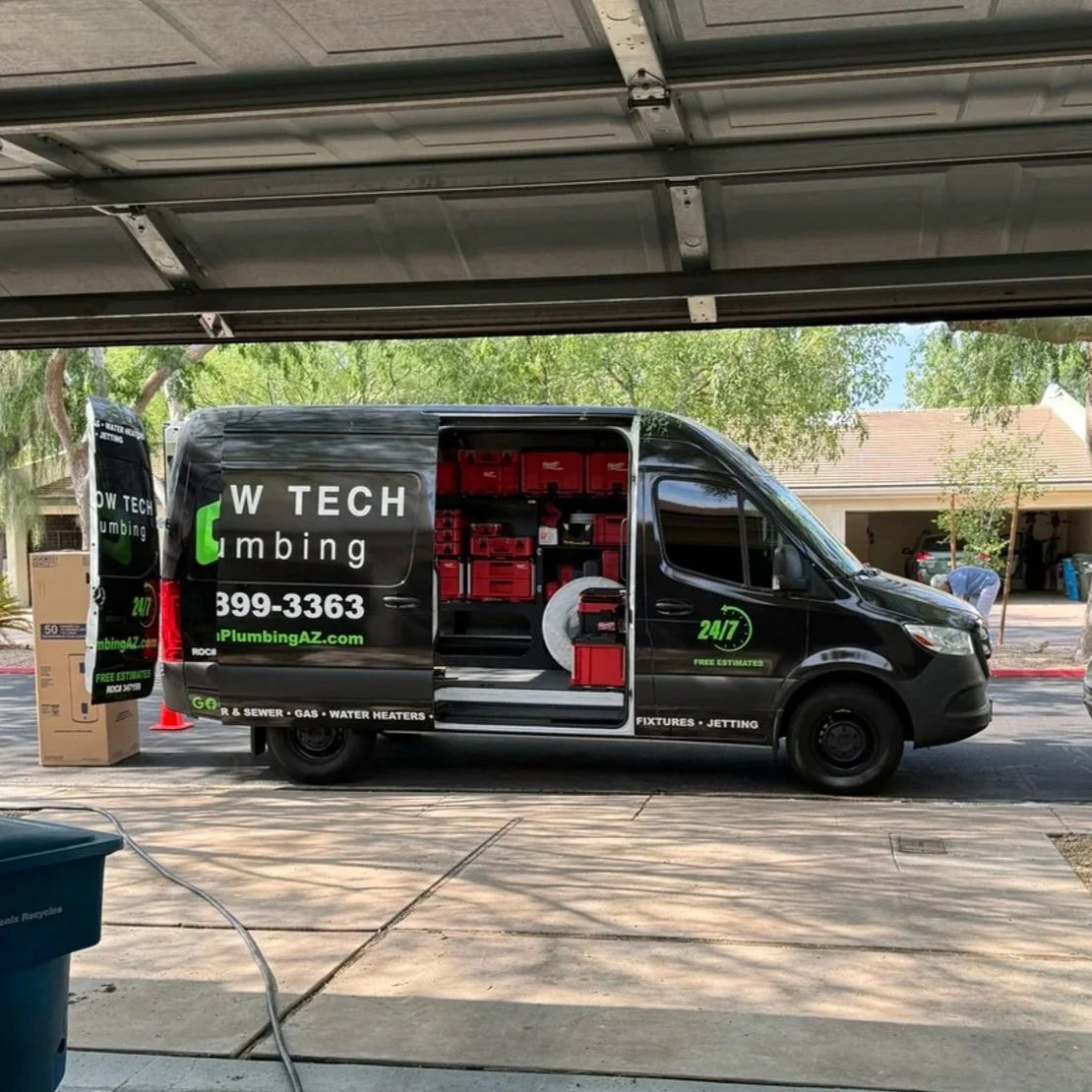
Safe installation practices aren't just a formality—they’re the foundation of a secure and efficient gas system that protects homes, families, and everything under the roof.
Gas plumbing doesn’t leave room for shortcuts. One loose fitting, one missed connection, or one improperly sealed joint is all it takes to turn a simple project into a major hazard. Safe installation practices aren't just a formality—they’re the foundation of a secure and efficient gas system that protects homes, families, and everything under the roof.
Gas line installation and repair demand a level of care that blends precision with experience. Every step matters, from the type of pipe used to the placement of valves and the pressure tests that follow. A system that looks fine on the surface can hide serious flaws if safety isn’t the priority from start to finish.
Proper Materials Make All The Difference
Choosing the right materials is the first step toward a safe installation. Gas systems rely on specific pipe types—typically black iron, CSST (corrugated stainless steel tubing), or flexible connectors rated for gas service. Mixing materials or using plumbing components not designed for gas lines opens the door to corrosion, weak spots, and unsafe pressure levels.
Every fitting, sealant, and connector must be compatible with gas and rated for the specific application. That’s not just a recommendation—it’s code. When the wrong material is used, it might work at first, but it won’t hold up over time. Leaks often start small and go unnoticed, quietly building pressure until something gives.
Tight Connections Without Guesswork
Gas line fittings require a level of torque that’s just right—not too loose, not over-tightened. Seals must compress correctly, threads need proper treatment, and everything has to align cleanly to maintain a leak-free connection. There’s no room for guesswork.
Sealants used on threaded joints also need to be gas-rated. Not every plumber’s tape or pipe dope is created equal. Using the wrong one can cause the seal to break down under pressure or temperature shifts. Professional installers know the difference and apply each product with care, avoiding over-application and cross-threading that can weaken the joint.
Ventilation And Appliance Placement Matter
Gas appliances need space to breathe. Whether it’s a furnace, water heater, stove, or fireplace insert, each one has specific clearance requirements and venting needs. Without proper airflow and exhaust design, combustion gases—including carbon monoxide—can back up into the home.
Safe gas plumbing includes evaluating appliance placement, measuring for ventilation, and installing vent pipes with the correct slope and length. It’s about more than just making the unit fit. It’s about protecting the air inside the home and allowing combustion gases to exit fully and safely.
Pressure Testing Prevents Future Surprises
Once a gas line is installed, it doesn’t go live until it’s been pressure tested. That involves filling the line with air or nitrogen and checking for drops in pressure over a set period of time. Even the tiniest leak can show up in a test like that, allowing the installer to correct it before the system is ever turned on.
Skipping this step—or rushing through it—is one of the biggest safety risks in gas plumbing. A leak that goes unnoticed during installation might not show signs right away. But over time, it can cause gas to build up in enclosed areas, waiting for an ignition source. Pressure testing confirms that everything is sealed, stable, and ready to operate safely.
Labeling And Accessibility Keep Things Safe Long-Term
Once installed, gas lines should be clearly labeled and easy to access. Shutoff valves must be located in logical, visible spots, with enough clearance to operate in an emergency. Buried or hidden gas lines, especially in walls or crawlspaces, create challenges later if repairs or modifications are needed.
Proper labeling and access aren’t just for convenience—they make the system safer for future service, inspections, and emergency shut-offs. A system that’s easy to trace and operate is a system that can be maintained without cutting corners or guessing at where things lead.
Permits And Inspections Aren’t Optional
Every safe gas line installation follows local building codes, requires proper permits, and includes inspections from licensed professionals. These aren’t hoops to jump through—they’re guardrails that keep installations consistent, safe, and built to last.
Permits track work across the lifespan of a property. Inspections confirm that what’s behind the wall meets standards before it’s sealed up. These steps protect homeowners, future buyers, and anyone who services the system down the line.
The Right Tools In The Right Hands
Gas line installation and repair involve specialized tools—threaders, pressure gauges, leak detectors, and torque wrenches designed for accuracy. It’s not a job for makeshift setups or borrowed tools. When the stakes involve fire, pressure, and gas flow, every measurement counts.
Professional plumbers bring more than just the tools—they bring the training to use them correctly. They read the pressure, test the seal, and install with confidence that the job was done right, not just done.
Peace Of Mind Starts With Safe Installation
Gas plumbing isn’t something to wing. It requires precision, patience, and planning. From the first cut of pipe to the final turn of the wrench, safe installation practices protect homes from the silent risks of leaks, poor combustion, and gas buildup.
Gas line installation and repair done by licensed professionals meets code and creates a safe environment where the heat turns on without worry, the stove lights with a click, and everything works quietly in the background. Safety doesn’t happen by accident. It’s built into every connection.
Get comprehensive bathroom plumbing, garbage disposal installation and repair, bathtub/shower installation and repair, pump installation and repair, and gas line installation and repair in Peoria, AZ, from Flow Tech Plumbing. We are fully licensed and insured and emphasize on quality work. Our local plumbers are well-trained and equipped with the latest tools to handle a wide range of plumbing needs Valley wide. Call now for free on-site estimates.
