
Common Problems That Signal a Failing Water Filtration System
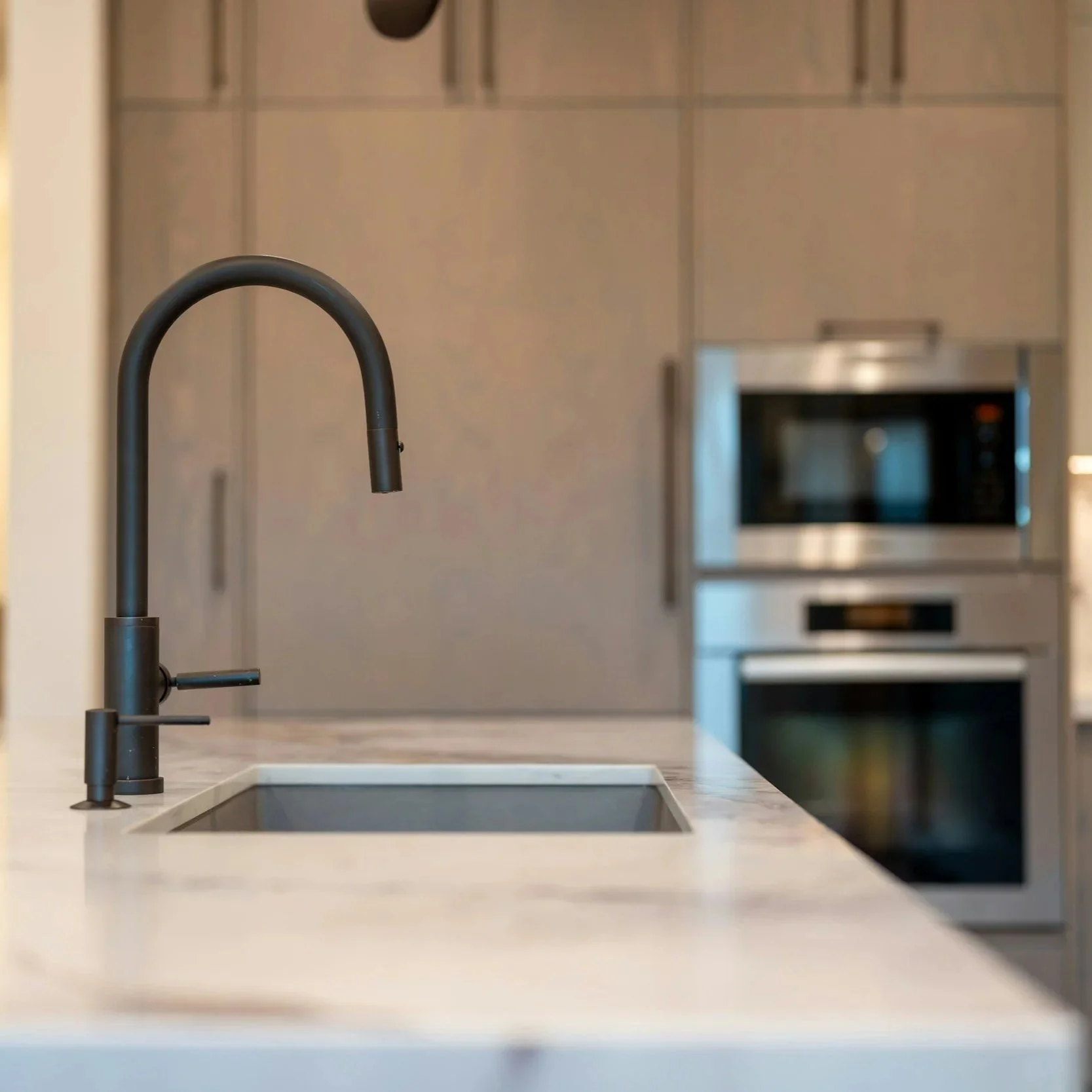
Whether it's strange tastes, odd smells, or low water pressure, a failing filtration system can disrupt your daily routine and even affect your health.
When a water filtration system is working properly, it's easy to forget it's even there. Clean, filtered water flows smoothly from the tap, and everything feels normal. But when your filtration system starts to fail, the signs often show up loud and clear. Whether it's strange tastes, odd smells, or low water pressure, a failing filtration system can disrupt your daily routine and even affect your health. Recognizing these indications early can help you avoid bigger problems down the line.
Unpleasant Tastes and Odors
One of the first and most noticeable signs that a water filtration system is malfunctioning is the return of unpleasant tastes and odors in your water. If you've ever tasted a metallic or chlorine-like flavor or smelled something funky, you probably know exactly what's missing – clean, purified water. As filters become clogged or worn, they lose their effectiveness at removing contaminants. Chlorine, minerals, and other impurities that the system is meant to filter out may begin to appear in your water.
Whether it's a funky smell that lingers or a taste that makes you hesitate to drink your water, these are clear indicators that your filtration system isn't working properly. In some cases, you may even notice a "rotten egg" smell, which can be caused by sulfur in the water. If these odd tastes and smells become more frequent, it's definitely time to check your filtration system.
Clogged or Reduced Water Flow
A sudden drop in water pressure or signs of clogging can indicate that your water filtration system is in trouble. When the filtration system is working properly, water flows through it easily, providing you with steady water pressure. However, when filters become clogged with dirt, sediment, or minerals, the system can't process water efficiently. This leads to reduced water flow or even a trickle at the faucet.
This problem doesn't just affect the taste and quality of your water—it can impact the functionality of your plumbing system as a whole. Low water pressure from the filtration system may make washing dishes or showering frustrating. It's a simple sign that something needs to be addressed.
Increased Frequency of Filter Changes
Every filtration system has a lifespan, and over time, the filters will need to be replaced. However, if you find yourself changing filters more frequently than usual, it may be a sign that something isn't right. A well-functioning system will typically require filter changes at regular intervals, but excessive buildup or debris may indicate a malfunctioning filter or a failing filtration system.
Keep track of when you last replaced your filters and monitor how often the system needs maintenance. If the intervals start shrinking significantly, it could signal that the system isn't performing as efficiently as it should be. It's time to call in a professional to check the situation.
Visible Sediment or Cloudy Water
Another sign that your filtration system may be on the fritz is if you begin noticing visible sediment or cloudiness in your water. Clean water should be clear and free of particles, but a failing filtration system might allow sediment, rust, or minerals to slip through. These particles can accumulate over time, leaving your water looking murky or dirty.
If you notice a change in your water's appearance, it's important to address it promptly. The presence of sediment or cloudiness could indicate that the filtration system isn't removing contaminants as effectively as it should be, and it could be a precursor to more substantial plumbing issues down the line.
Frequent Plumbing Issues
A failing water filtration system can generate problems beyond just the water itself. Over time, contaminants that aren't filtered out can accumulate in your pipes, causing mineral deposits, corrosion, or buildup that can clog the plumbing. This can lead to issues like slow drains, backed-up pipes, or even leaks in more severe cases.
In some cases, a water filtration system that isn't working properly might lead to frequent repairs or maintenance on other plumbing fixtures. If you start dealing with plumbing problems like those listed, it may be due to contaminants building up in your pipes from inadequate filtration.
Visible Rust or Staining in Sinks and Appliances
Rust or staining in sinks, bathtubs, or on appliances like dishwashers and washing machines can indicate a problem with your water filtration system. If your system isn't properly filtering out rust or minerals, these particles may show up as stains on your fixtures or appliances. Over time, these stains can be difficult to remove and may cause significant damage to your plumbing or appliances.
Even a small amount of rust or staining on your fixtures can be a red flag that your filtration system isn't working properly. It's important to address this issue before it leads to more costly damage.
Unusual Noises from the Filtration System
While most water filtration systems are quiet in operation, a malfunctioning system can produce strange sounds, such as whistling, gurgling, or rattling. These noises may indicate that the system is working harder than it should, or that there's a blockage or air trapped in the system. If you hear these unusual sounds, it's time to have your filtration system inspected to identify the cause and get it back in good working order.
Health Concerns from Contaminated Water
One of the most serious consequences of a failing water filtration system is the potential for exposure to harmful contaminants. A malfunctioning system might let bacteria, viruses, heavy metals, or chemicals into your drinking water. Even if the issues aren't immediately noticeable in terms of taste, smell, or appearance, contaminated water can pose health risks over time.
If you notice any of the above signs or suspect that your water filtration system is failing, it's crucial to get it inspected or replaced. Drinking untreated or poorly filtered water can lead to a variety of health problems, especially in households with young children, elderly individuals, or those with compromised immune systems.
Regular Maintenance and Professional Inspection
While some of the problems mentioned above may be resolved with basic maintenance or filter replacements, there's no substitute for professional inspection when your water filtration system starts to show signs of failure. A licensed technician can thoroughly examine the system, clean out any debris, replace any malfunctioning components, and make recommendations for repairs or upgrades.
In the long run, maintaining your water filtration system is a smart investment in your home's health and the longevity of your plumbing fixtures and appliances. Don't wait until the issues become more serious—addressing a failing system early can save you time, money, and frustration down the road.
Conclusion
A water filtration system plays a major role in the health and functionality of your home's plumbing. When it starts to fail, the signs can range from unpleasant smells to visible water issues and even plumbing malfunctions. If you experience any of these problems, don't wait too long to act. Regular maintenance and professional attention can extend the lifespan of your system and keep your home's water quality in top shape. Stay on top of warning signs to keep your water clean, clear, and safe.
Get reliable water treatment solutions in Peoria, AZ, and surrounding areas, with Flow Tech Plumbing. Our skilled plumbers offer water filtration installation and repair, and water softener installation and repair. Our team prioritizes customer satisfaction by emphasizing on ensuring quality via best material and techniques. We offer the same price, whether nights or weekends. Call now!
