
Common Plumbing Issues Found Under the Kitchen Sink
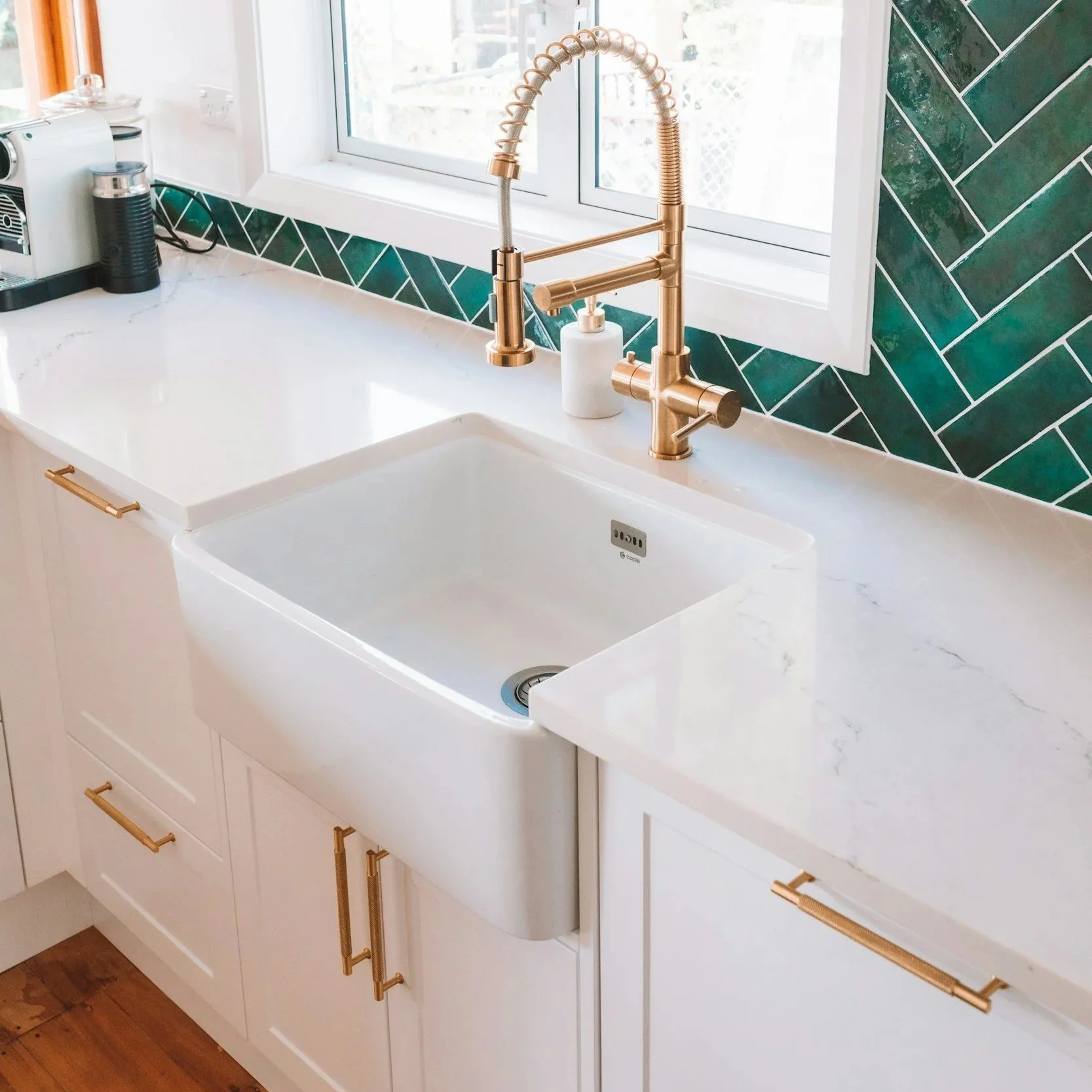
While it may seem like a simple stretch of pipe and fittings, there’s more going on in that cabinet than most people realize.
The area under the kitchen sink often hides more than just dish soap and forgotten sponges. Tucked behind the cleaning supplies and spare trash bags, the plumbing can quietly develop problems that escalate fast if left unchecked. It’s a small, cramped space that works hard every day and is rarely in the spotlight, until something leaks, clogs, or starts making ominous noises.
What goes on under that cabinet can affect everything from water pressure to the longevity of your cabinetry. While it may seem like a simple stretch of pipe and fittings, there’s more going on in that cabinet than most people realize.
Leaks That Love To Linger
Drips from supply lines, shutoff valves, or the base of the faucet often go unnoticed for weeks. Slow leaks tend to settle into the base of the cabinet, soaking wood or particleboard until it starts to buckle, stain, or attract mold. And because many leaks start out small, they have a way of becoming part of the scenery.
The real mischief begins when water mixes with the adhesives in cabinetry or seeps into nearby flooring. That musty smell? It often starts right under the sink. A professional inspection usually reveals the culprit to be something as humble as a worn-out washer or a loose compression nut.
The Great Garbage Disposal Shakeup
Garbage disposals pull their weight—until they don’t. They rattle, they hum, and sometimes they just stop mid-crunch. Under-sink disposals can become the source of leaks if the seals between the unit and the sink basin start to wear out. Vibrations from regular use also loosen mounting hardware over time.
Another frequent issue involves clogged or improperly installed dishwasher drain lines connected through the disposal. If the disposal or its discharge tube becomes blocked, water can back up into the sink or even the dishwasher. Suddenly, last night’s dinner scraps are swimming where they shouldn’t.
P-trap Problems And Misalignments
The curved section of pipe known as the P-trap has one job: to hold a bit of water and block sewer gases from sneaking up into the kitchen. It’s a brilliant design—until it starts leaking, clogging, or shifting out of alignment.
Grease, food particles, and coffee grounds love to settle in the P-trap, creating buildup that narrows the flow and encourages odors. If the trap wasn’t properly fitted during installation, even a small bump while cleaning under the sink can cause it to loosen or detach. Cue the water, the mess, and the emergency call to a plumber.
Flexible Hoses That Aren’t So Flexible Forever
Flexible supply lines that feed water to the faucet or dishwasher are a modern convenience that comes with an expiration date. Over time, they can develop pinhole leaks or burst entirely—especially if made from lower-quality materials.
Many of these lines are hidden behind the maze of under-sink items, so small issues can go unnoticed until water pressure drops or a mysterious puddle appears out of nowhere. Braided stainless steel models tend to last longer, but even the best hoses can’t defy age or wear forever.
Shutoff Valves That Stop Shutting Off
The shutoff valves under the sink are like a safety net—until they seize up or start leaking. Corrosion, mineral buildup, or simple neglect can make these valves hard to turn or cause them to drip even when closed.
In emergencies or during repairs, those little valves become incredibly important. When they fail, the entire house may need to be shut off, turning a minor issue into a plumbing-wide event. Regular maintenance and occasional testing go a long way in keeping these underrated parts working when needed most.
Soap Dispensers And Accessory Lines
Modern kitchens often feature built-in soap dispensers, hot water taps, or water filtration systems. Each of these convenience features comes with its own set of connections, seals, and potential complications.
Plastic fittings can crack. Rubber washers degrade. Lines shift and loosen over time. Accessory lines may seem minor, but when one leaks, it usually goes unnoticed until the cabinet contents start to swell or discolor.
Cabinet Damage That Creeps Up Quietly
Under-sink plumbing problems don’t stay under the sink. Water has a way of traveling far and fast—into baseboards, flooring, or adjacent cabinetry. Once moisture makes itself at home, repairs grow more expensive and complex.
Warped wood, bubbling laminate, and soft spots in cabinetry signal that the plumbing has been quietly causing damage for a while. At that point, it’s no longer just about tightening a fitting—it’s about salvaging whatever hasn’t been soaked or swollen.
A Spot Worth Checking More Often
The space under the kitchen sink may not demand much attention on a normal day, but ignoring it invites long-term issues. Routine checks and maintenance can prevent the slow creep of water damage or the sudden chaos of a broken fitting.
Professional plumbers know this area better than anyone, and they don’t underestimate what lurks in that dark little cabinet. When something feels off—or smells suspiciously like mildew—it’s often the kitchen’s not-so-hidden plumbing asking for a little attention.
The space may be cramped, but the impact of under-sink plumbing stretches far beyond the cabinet doors. From leaks and odors to water pressure problems and appliance woes, everything flows through that small but vital section of pipework. Taking care of it pays off in fewer repairs and a much happier kitchen.
Flow Tech Plumbing offers residential and commercial plumbing installation, maintenance, and repair services in the Peoria, AZ, area. From plumbing leak detection and repair, pipe installation and replacement, and faucet installation and repair, to toilet installation and repair and kitchen plumbing, our skilled plumber can handle it all efficiently. We also offer 24/7 emergency repairs. Schedule your plumbing service now.
