
Main Sewer Line Clog Signs: Catch It Before Backup
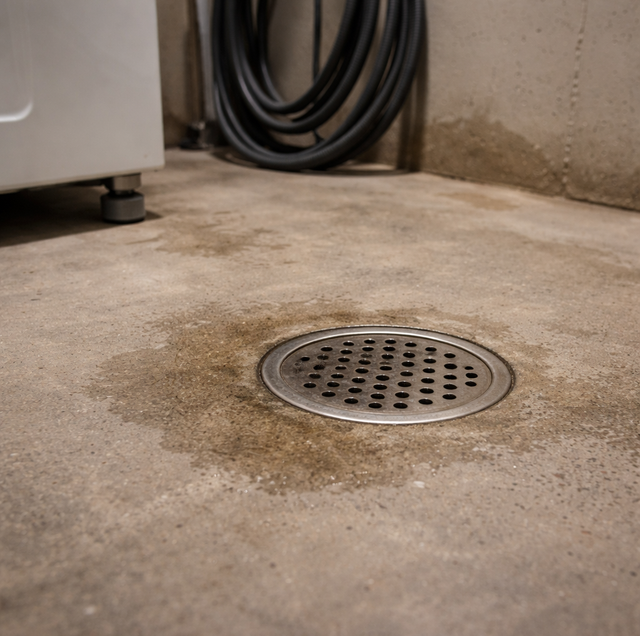
Quick Answer: A main sewer line clog shows up across more than one fixture at the same time. The lowest drains in the house back up first, and running one fixture makes another gurgle or fill. That pattern separates a whole-house problem from a single clogged sink or toilet.
A single slow sink is annoying but simple. When two or three drains slow down together, or a flush sends water up into the shower, the problem has moved past any one fixture and into the pipe that carries everything out of the house. That shared pipe is the main sewer line, and a clog there behaves differently from the clog under your kitchen sink. Reading the signs early gives you a chance to stop it from getting worse and get the right help before wastewater ends up on a floor.
How a Main Line Clog Differs From a Branch Clog
Every fixture in the house drains into a branch line, and every branch feeds into one main sewer line that runs out to the street or septic tank. A branch clog stays local. Water in one sink drains slowly while every other drain works fine. You clear the trap or the branch, and life goes back to normal.
A main line clog sits downstream of all those branches, so it affects everything above it at once. Waste from an upstairs bathroom, the kitchen, and the laundry all pile up behind the same blockage. Because water follows gravity and takes the lowest exit it can find, the backup surfaces at the lowest drains first: a first-floor tub, a basement floor drain, a downstairs shower. That is the single most reliable way to tell the two apart. One slow drain points to a branch. Several fixtures failing together, with the lowest ones flooding first, points to the main.
The Tell-Tale Signs
More than one fixture is slow or backing up: Toilets, tubs, and sinks in different rooms all draining sluggishly on the same day rarely clog on their own schedule. When they act up together, they are sharing one obstructed pipe.
Drains gurgle: Air trapped behind the blockage has to escape somewhere. As water pushes past a partial clog, it forces air back up through nearby drains, and you hear a gurgle or glug from a tub or sink even when nothing is running there.
Using one fixture affects another: This is the clearest test you can run at home. Flush a toilet and watch the nearby tub or shower. If the tub gurgles, the water level rises, or the toilet bowl drops while the machine drains, the water has nowhere clean to go and is finding the path of least resistance into another opening. Running a washing machine and seeing the toilet bubble is the same signal.
Run one fixture and watch another. Flush a toilet and watch the nearby tub or shower: if the tub gurgles, the water rises, or the bowl drops as it drains, the waste has nowhere clean to go and is backing into another opening.
The lowest fixtures back up first: A ground-floor toilet or a floor drain that overflows while upstairs fixtures still seem fine is a strong indicator. Gravity fills the low points before the high ones.
A sewage odor: A rotten, sulfur-like smell near drains or around the yard suggests waste is sitting in the line instead of flowing out. A working sewer is sealed and vented, so a persistent smell means something is backed up or cracked.
The cleanout overflows: Many homes have a capped pipe near the foundation or in the yard called a cleanout, which is a direct access point to the main line. If water or waste is standing at the cleanout or seeping from under the cap, the clog is confirmed and downstream of that point.
What Actually Causes the Blockage
Knowing the mechanism helps you understand why home remedies often fail on a main line.
Grease and scale: Cooking fats poured down a drain cool and harden along the pipe wall. Over months, they build up like plaque in an artery, narrowing the channel until solids catch. In older galvanized or cast iron pipe, mineral scale and internal rust do the same thing from the pipe itself.
Tree roots: Roots chase the moisture and nutrients inside a sewer line. They enter through the smallest crack or loose joint, then fan out into a mesh that snags toilet paper and waste. Roots are the most common cause of repeat clogs in older lines, and they grow back if only the top of the mass is cleared. Root intrusion is a year-round problem, not a seasonal one: roots slow their growth in a cold snap but keep feeding on a warm line the rest of the year.
Flushed wipes and foreign objects: So-called flushable wipes do not break down the way toilet paper does. They stay intact, catch on any rough spot, and quickly build a dam. Feminine products, paper towels, and dental floss do the same.
A belly in the line: Over time, a section of pipe can sag where the soil beneath it settled, creating a low spot called a belly. Waste water pools there instead of flowing through, and solids drop out and accumulate. A belly is a structural fault, so it reclogs no matter how often it is cleared until the pipe itself is corrected.
Think of the main line as the single lane every car in a parking garage has to use to reach the exit. One stalled car and the whole garage stops, no matter how clear the individual parking rows are. That is why a main clog freezes so many fixtures at once while each branch line, on its own, is fine.
How a Plumber Confirms It
A plumber does not guess. Confirmation usually follows a set order.
Camera inspection: A waterproof camera on a flexible rod is fed through the cleanout and pushed down the line. It shows the exact obstruction, the distance to it, and whether the cause is roots, grease, a foreign object, or a collapsed or bellied section. This is what separates a blind snaking job from a targeted repair.
Cleanout access: The plumber locates and opens the cleanout to reach the main directly rather than working through a toilet or fixture. Reaching the line at the cleanout is what lets a cable or jet travel the full run to the street.
Snaking or jetting: A motorized cable, or auger, bores through and breaks up the clog and can cut through roots. Hydro jetting uses high-pressure water to scour the full inside diameter of the pipe, clearing grease and scale that a cable only punches a hole through. The camera then confirms the line is actually clear, not just reopened.
What to Stop Doing Once You Suspect a Main Clog
The instinct is to run more water or reach for a chemical, and both make a main line problem worse.
Stop adding water: Every flush, load of laundry, or dishwasher cycle sends more waste into a line that cannot carry it. With nowhere to go, that water backs up into the lowest fixtures and onto the floor. Shut off water-using appliances and limit flushing until the line is cleared.
Skip the chemical drain cleaner: Liquid drain cleaners are formulated for a small local clog in a fixture branch, not a full main line blockage. On a completely blocked line, the caustic liquid simply sits on top of the clog in standing water, where it can damage older pipe and create a hazard for the plumber who later has to open and cable the line.
Do not open a cleanout cap yourself if it looks pressurized. A cleanout on a backed-up main can hold standing sewage under pressure, and cracking the cap can release a spray of contaminated water and sewer gas. Relieving it safely is work for a licensed plumber with the right protective gear.
Reading the pattern is the useful skill here. A single slow drain is a branch problem you may handle. Several fixtures failing together, gurgling, and the lowest drains backing up point to the main line, and that is the moment to stop running water and call a professional before a slow clog becomes a flooded floor.
Frequently Asked Questions
There is no fixed clock, but a partial clog that already gurgles is usually within days to a few weeks of a full backup if nothing changes, because each use of a fixture deposits a little more waste behind the restriction. A single event, such as a large load of wipes or a root mass catching a wad of paper, can convert a partial blockage to a total one in a single flush. The gurgling stage is the warning window.
Yes, if your line has cracks or your area has combined or aging sewer infrastructure, groundwater can seep into the pipe and municipal capacity can max out during a storm, pushing water back toward the house. This is called infiltration, and a backwater valve, a one-way flap installed on the main, is the fixture that prevents municipal backflow from reaching your lowest drains.
Rarely. A sink plunger and a short hand auger are sized for a trap or a branch line a few feet long, while a main line clog often sits 20 to 100 feet out toward the street, well past their reach. Pushing a small auger into a toilet can also crack the porcelain or pack the clog tighter. The main is reached through the cleanout with equipment built for that distance.
A blocked vent, the pipe that runs up through the roof to let air into the system, also causes gurgling and slow drains, which mimics a main clog. The difference is direction of failure: a main clog makes the lowest fixtures back up and overflow, while a vent blockage slows drainage and pulls water out of traps without ever causing waste to rise out of a low drain. If nothing is backing up but everything is slow and smelly, the vent is a suspect.
On a septic system, the same whole-house symptoms apply, but a full or failing tank produces an extra tell: soggy, unusually green patches or standing water over the drain field in the yard. If every drain is slow and the ground above the tank or field is wet, the problem may be a full tank or a saturated field rather than a clog in the line itself, and that calls for pumping, not snaking.
For grease-driven clogs, keep fats, oils, and coffee grounds out of the drain and run hot water after dishes. For root-driven clogs, ask about an annual camera check and a foaming root treatment applied inside the line, since mechanical cutting alone leaves roots that regrow. If the camera found a belly or a collapsed section, no maintenance habit will hold, and a spot repair or a trenchless liner is what actually stops the repeat.
Catch a main line clog before it floods a floor — get a same-day camera inspection and a clear diagnosis. Flow Tech Plumbing serves Peoria and the Valley. ROC #347159. Call (623) 267-2703.
