
How Long Does a Water Heater Last — and Signs It's Done
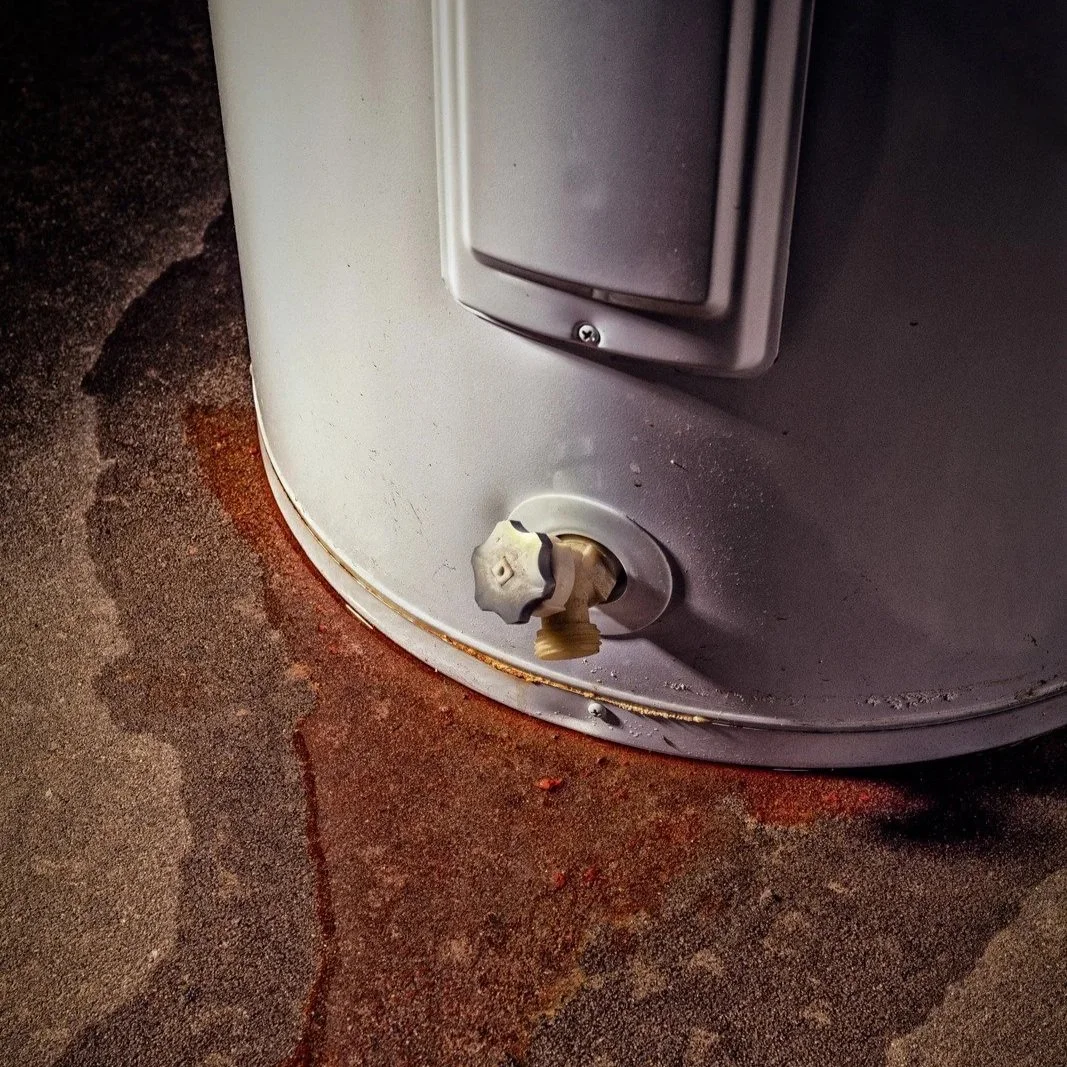
Quick Answer: A conventional tank water heater typically lasts about 8 to 12 years, while a tankless unit can run 20 years or more with maintenance. The biggest factor is water quality: hard water shortens a tank's life by driving sediment and corrosion, while a well-maintained anode rod and yearly flushing extend it. Warning signs the end is near include rusty or discolored hot water, a rumbling tank, moisture or rust at the base, and hot water that runs short. Knowing your heater's age and watching for these signs lets you plan a replacement instead of waking up to a cold, leaking tank.
A water heater is one of those appliances you forget about until the morning it gives you a cold shower or a puddle on the floor. Knowing roughly how long yours should last — and what makes one wear out faster than another — lets you plan ahead instead of scrambling after a failure.
The Typical Lifespan
A standard tank-style water heater generally lasts somewhere between 8 and 12 years. Tankless units last considerably longer — often 20 years or more — because they don't store hot water in a steel tank that slowly corrodes. Those are averages, though, and the real number for your heater depends heavily on how it's been treated and what kind of water runs through it.
If you don't know how old your heater is, check the serial number on the manufacturer's label. The first letters and numbers usually encode the month and year it was built. A heater approaching or past the decade mark deserves closer attention, even if it seems to be working fine. It also helps to know that warranty length is a rough proxy for build quality: a heater sold with a longer warranty usually carries a heavier anode rod and a thicker tank lining, which is part of why some units quietly outlast others of the same age. Two homes on the same street can get very different results from identical heaters purely because of how the water is treated and how faithfully the tank is maintained over the years.
What Shortens a Heater's Life
The single biggest factor is water hardness. Hard water is loaded with dissolved minerals that settle to the bottom of the tank as sediment, accelerating corrosion. In a hard-water region, a heater that might otherwise last 12 years can wear out years sooner if it's never maintained.
Sediment is the slow killer. It builds into a thick layer at the bottom of the tank, forcing a gas burner to overheat the steel beneath it. That repeated overheating stresses the metal and the tank's glass lining, leading to cracks and eventual leaks. On electric units, sediment can bury the lower element and burn it out.
The anode rod matters just as much. This sacrificial metal rod is designed to corrode in place of the steel tank, drawing corrosion to itself. Once it's fully consumed, the tank itself starts to rust from the inside. A heater whose anode rod is never checked or replaced is running on borrowed time.
| Factor | Extends life | Shortens life |
|---|---|---|
| Water hardness | Soft or conditioned water | Hard, mineral-rich water |
| Flushing | Yearly sediment flush | Never flushed |
| Anode rod | Replaced when consumed | Left until tank rusts |
| Usage | Moderate demand | Constant heavy demand |
| Installation | Properly sized and vented | Undersized, poorly vented |
The Warning Signs It's Near the End
A water heater rarely fails without warning. The signs build over time, and catching them early is the difference between a planned swap and an emergency.
Rusty or discolored hot water is one of the clearest signals — it means the tank's interior is corroding. A rumbling or popping sound during heating points to a heavy sediment layer. Hot water that runs out faster than it used to suggests the tank's usable capacity is shrinking. And any moisture, rust, or staining around the base of the tank is a red flag that the tank may be starting to leak, which only goes one direction.
Why Maintenance Changes the Math
The reason two identical heaters can last very different lengths of time comes down to upkeep. Flushing the tank once a year clears sediment before it can harden and damage the steel. Checking the anode rod every few years — and replacing it when it's mostly gone — keeps corrosion focused on the rod instead of the tank. These two habits, done consistently, can add years to a heater's life and keep it running the whole time efficiently.
Write the installation date on the tank with a marker the day it goes in, or save the receipt. When it's eight years old, start budgeting for a replacement and watching for the warning signs. Knowing the age turns a surprise failure into a planned project.
Planning the Replacement
Because a failing tank can leak and cause water damage, the smart move is to replace an aging heater before it fails rather than after. If your unit is past 10 years, shows rust in the water, rumbles, or weeps at the base, it's wise to have it evaluated. A professional can confirm whether it has life left or whether replacing it now is the wiser move — and help you pick a unit properly sized for your household so the next one lasts its full term.
Frequently Asked Questions
A conventional tank unit usually lasts 8 to 12 years, and a tankless unit can last 20 years or more. Where yours falls in that range depends on water hardness, how often it's maintained, and how heavily it's used. Hard water and skipped maintenance push the number lower; soft water and yearly upkeep push it higher.
Yes, significantly. Hard water deposits sediment that forces the burner to overheat the tank, burns out electric elements, and accelerates internal corrosion. In hard-water areas, an unmaintained heater can fail years earlier than the same unit would on softer water. Regular flushing and anode-rod care help offset it.
Look at the manufacturer's label and find the serial number. Most brands encode the build date in the first part of the serial — often the month and year. If you can't decode it, the brand's website or a plumber can usually tell you the age from the serial number.
Yes. Flushing the tank once a year to remove sediment and replacing the anode rod when it's consumed are the two most effective steps. Keeping the temperature at a reasonable setting and ensuring the unit is properly sized for your demand also reduces wear over time.
Rusty or discolored hot water, a rumbling or popping tank, hot water that runs short, and any moisture or rust around the base. The last one is the most urgent — water at the base often means the tank is starting to leak, and a leaking tank only gets worse.
It's usually the smarter choice. A failing tank can leak and cause water damage, and emergencies rarely happen at a convenient time. If your heater is past its expected lifespan and showing warning signs, replacing it on your own schedule avoids the mess and the rush.
Know the Age, Watch the Signs
Most tank water heaters last 8 to 12 years, but water quality and maintenance decide whether yours hits the low end or the high end of that range. Knowing the age of your unit and watching for rust, rumbling, and moisture lets you plan a replacement on your terms — not the morning the hot water quits for good.
Not sure how much life your water heater has left? — A plumber can check its age, condition, and anode rod and tell you whether to maintain it or plan a replacement. Flow Tech Plumbing serves Peoria and the Valley. ROC #347159. Call (623) 267-2703.
