
How Hard Water Leaves Behind Plumbing Damage
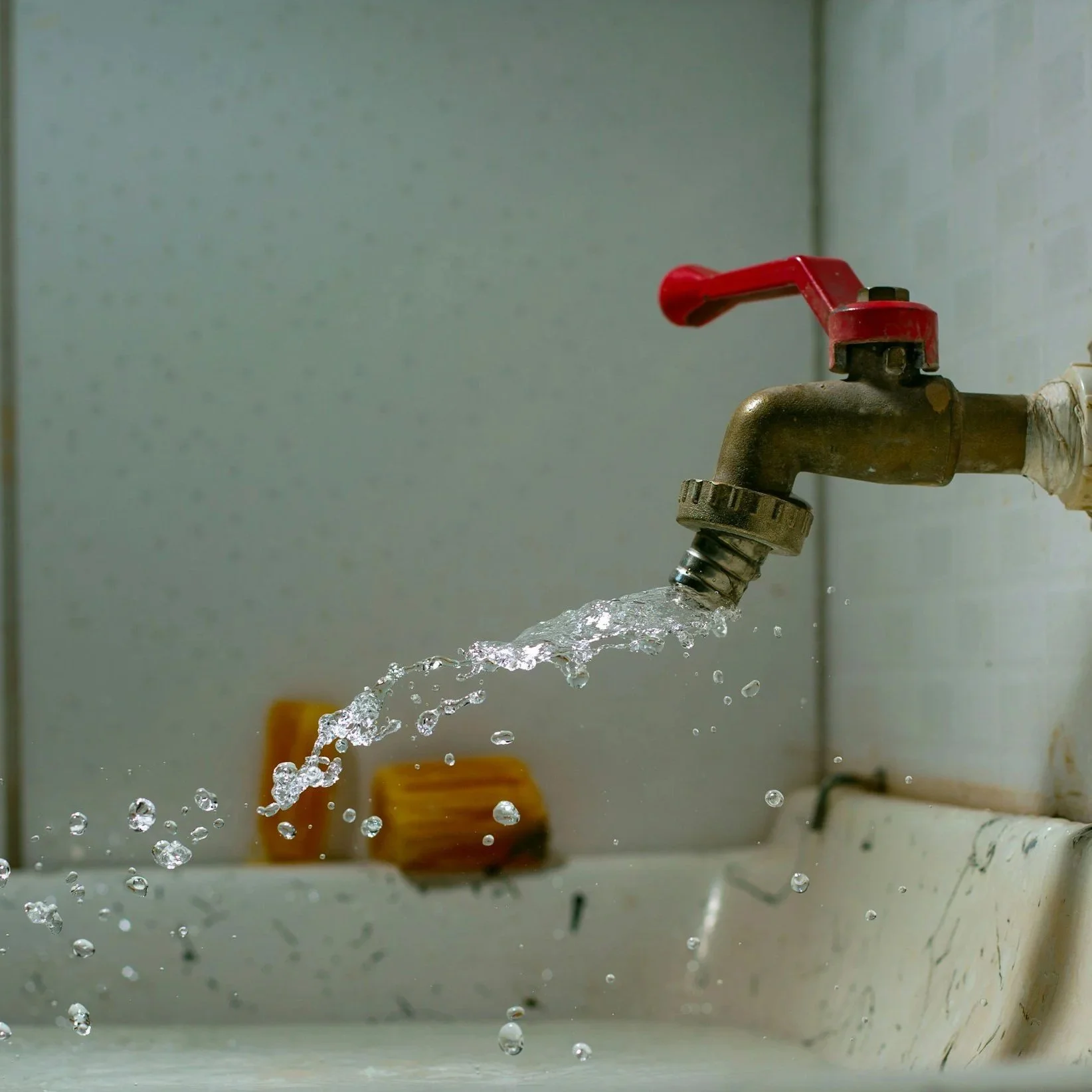
While hard water might not harm your health, it can wreak havoc on your pipes, appliances, and fixtures, leading to costly repairs and replacements.
Hard water is one of those sneaky problems that slowly builds up over time, often without you even realizing it. It’s the type of issue that doesn’t seem too concerning at first, but eventually, it leaves a trail of damage to your plumbing. While hard water might not harm your health, it can wreak havoc on your pipes, appliances, and fixtures, leading to costly repairs and replacements. Understanding how hard water causes plumbing damage is key to preventing it from ruining your home’s plumbing system.
What Exactly is Hard Water?
Hard water contains high levels of minerals, particularly calcium and magnesium. These minerals are naturally found in water sources like lakes, rivers, and wells. When hard water travels through your plumbing system, it leaves behind tiny mineral deposits. Over time, these deposits can accumulate and cause significant damage to pipes, faucets, and appliances.
The Silent Culprit of Pipe Clogging
As hard water moves through your plumbing, it deposits calcium and magnesium on the interior walls of your pipes. These mineral deposits form scale, a hard, crusty substance that can build up over time. The more scale that accumulates, the narrower the pipes become, restricting water flow. Eventually, reduced water flow can lead to clogs or even pipe blockages, resulting in slow drainage or backups in sinks, bathtubs, or toilets.
In some cases, this buildup can also lead to pipe bursts, particularly in areas where the scale has built up to the point where the pipes can no longer handle the pressure. This type of plumbing failure is expensive to fix and often results in water damage to your home. Regularly flushing out the scale or installing a water softener can help prevent these issues.
Damage to Water-Using Appliances
Hard water doesn’t just affect your pipes; it also takes a toll on appliances that use water. Water heaters, dishwashers, and washing machines are all vulnerable to the effects of hard-water mineral buildup. Inside a water heater, the minerals from hard water form a thick layer of scale on the heating elements. This level of scale acts as an insulator, making it harder for the heating element to heat the water. As a result, the water heater has to work harder and longer to heat the water, leading to higher energy costs and, eventually, a shorter lifespan for the appliance.
Hard water deposits also impact dishwashers and washing machines. The minerals in the water can leave spots on dishes, make it harder to clean clothes, and eventually clog up the appliance’s water lines. Over time, the efficiency of these appliances will decrease, and you might find yourself paying for repairs or even a complete replacement.
Faucet and Showerhead Issues
If you’ve ever noticed white, chalky spots on your faucets or showerheads, you’ve encountered hard water buildup. The minerals in hard water don’t just leave deposits inside pipes; they also accumulate on the surface of plumbing fixtures. Over time, this buildup can clog faucets and showerheads, resulting in poor water flow. In severe cases, the buildup can cause permanent damage, rendering the fixtures unable to function properly.
Even if the mineral deposits are just visible and not causing any immediate problems, they’re still signs of underlying damage. If not addressed, they can cause more serious issues down the line. Regularly cleaning faucets and showerheads can help, but the best way to tackle hard water buildup at its source is by installing a water softener.
Water Softener: The Solution to Hard Water Damage
The key to preventing hard-water damage is to treat the water before it enters your plumbing system. A water softener is a device that removes the calcium and magnesium minerals from your water, preventing them from causing harm. By installing a water softener, you can safeguard your pipes, appliances, and fixtures from the gradual buildup that leads to damage.
Water softeners work by using a process called ion exchange. In this process, the hard water minerals are exchanged for sodium or potassium ions, leaving the water soft and free of the minerals that cause scaling. Once the hard water is softened, it flows freely through your plumbing system, reducing the chances of clogging, scaling, and damage to your appliances.
Not only does a water softener help maintain the integrity of your plumbing system, but it can also boost the overall quality of your water. Softened water is kinder on skin and hair, making bathing and washing more comfortable. Plus, it prevents mineral buildup in appliances, improving their efficiency and extending their lifespan.
Maintaining Your Water Softener
Installing a water softener can significantly reduce the long-term effects of hard water on your plumbing, but it’s important to maintain the system to keep it working efficiently. Regular maintenance includes checking the salt levels, cleaning the system, and replacing filters as needed. With proper care, a water softener can last for many years, providing your home with consistent, clean water while protecting your plumbing system.
Without a water softener, you might find yourself dealing with costly repairs, increased energy bills, and appliances that don’t function as well as they should. A water softener helps you avoid these concerns and keeps your plumbing running smoothly for years to come.
Conclusion
Hard water is more than just a nuisance; it’s a slow but steady destroyer of plumbing systems. From pipe clogs to damaged appliances and unsightly mineral buildup on fixtures, hard water can leave a trail of costly, frustrating damage. Installing a water softener is the best way to protect your plumbing from the harmful effects of hard water. Not only will you safeguard your pipes and appliances, but you’ll also improve the overall quality of your water. If you’re dealing with the damage caused by hard water, consider a water softener installation to save your plumbing—and your wallet—from further harm.
Get reliable water treatment solutions in Peoria, AZ, and surrounding areas, with Flow Tech Plumbing. Our skilled plumbers offer water filtration installation and repair, and water softener installation and repair. Our team prioritizes customer satisfaction by emphasizing on ensuring quality via best material and techniques. We offer the same price, whether nights or weekends. Call now!
