
When Aging Pipes Begin To Fail Inside The Walls
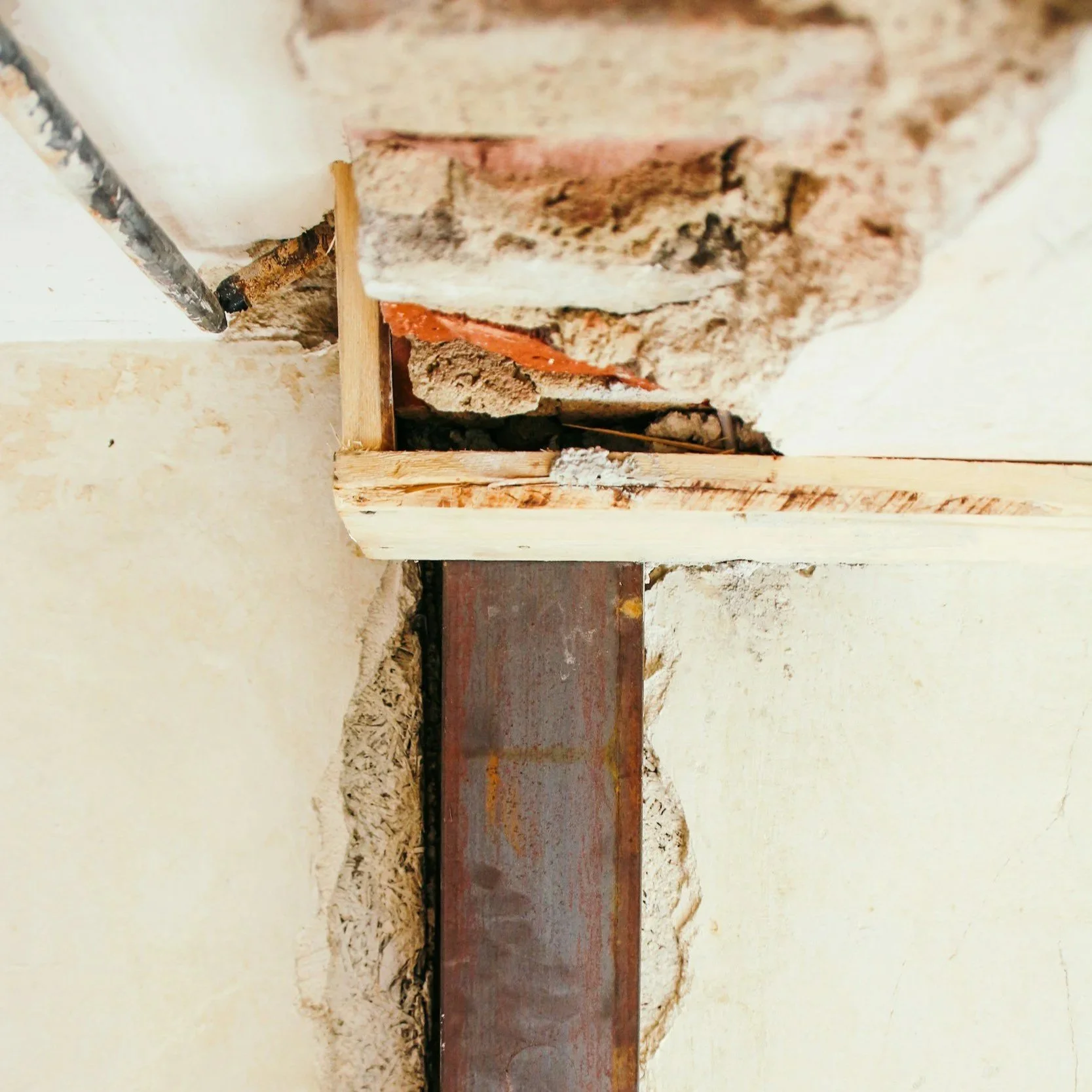
But even the most durable materials have a shelf life, and inside the walls of older homes, pipes can slowly break down, crack, corrode, or leak with very little warning.
Pipes have one job—move water from one place to another. And for a long time, they do it without complaint. But even the most durable materials have a shelf life, and inside the walls of older homes, pipes can slowly break down, crack, corrode, or leak with very little warning. When that starts happening, the damage builds quietly until it finally makes an entrance in the form of warped walls, stained ceilings, or a sudden burst that turns the living room into a wading pool.
Aging pipes do not always shout for attention. Most of the time, they whisper. Creaks in the walls, a musty smell, or a faint, discolored patch are all signs that something behind the drywall is not holding up as well as it used to. When those pipes begin to fail, it is not just about plumbing. It is about protecting the home's structure, preserving indoor air quality, and preventing repair costs from snowballing into something far more disruptive than a simple fix.
The Materials Tell A Story
The kind of pipe hiding in the walls says a lot about what kind of failure to expect. Galvanized steel, once common in mid-century homes, eventually rusts from the inside out. It starts as internal corrosion that narrows the pipe diameter, restricting water flow and causing uneven pressure buildup. By the time rust flakes begin breaking loose and showing up in faucet screens, the inside of the pipe often looks nothing like it did when it was installed decades earlier.
Copper, long considered a reliable standard, is not immune to problems either. Over time, certain water conditions can cause pitting corrosion, leading to tiny pinhole leaks. These leaks may spray a fine mist inside the wall cavity for weeks before a homeowner ever sees evidence on the surface. Polybutylene, which was installed in many homes for a brief period, has a well-documented history of becoming brittle and cracking under normal water pressure. Even PVC, known for its durability, can warp under prolonged exposure to heat or become brittle with age.
Each material comes with a life expectancy. Once pipes approach or exceed that range, the risk of failure rises sharply. It is not always a dramatic break. Sometimes it is simply a subtle shift in performance. A sudden dip in water pressure, stains that seem to grow overnight, or walls that feel slightly damp to the touch all point to pipes that are struggling to do their job reliably.
Leaks That Travel Farther Than Expected
Water rarely stays where it starts. When a pipe begins leaking inside a wall, the water follows gravity and framing members. It runs along studs, pools on horizontal framing, and seeps into insulation. In many cases, it travels several feet before finding a visible exit. By the time a homeowner notices a damp spot on the ceiling or peeling paint, the water has already worked its way through multiple layers of building materials.
This is what makes hidden plumbing leaks so deceptive. The wet area you see is often not the origin of the problem. A ceiling stain in the living room could trace back to a small crack in a bathroom supply line upstairs. A bulging baseboard might originate from a joint several feet away that has been slowly leaking behind the wall. By the time the issue becomes visible, drywall may have absorbed moisture, wood framing may have begun to swell, and insulation may already be saturated.
The longer water moves undetected, the more damage it leaves in its path. Drywall softens and loses structural integrity. Fasteners begin to rust. Wood can start to warp or weaken. Electrical wiring in the vicinity may even be exposed to moisture, adding another layer of concern. What could have been a straightforward pipe repair becomes a multi-trade restoration project involving drywall, flooring, and sometimes electrical work.
Mold Finds Opportunity In Damp Spaces
When moisture lingers inside walls, mold does not need much encouragement. Dark, enclosed spaces filled with organic materials, such as wood and paper-backed drywall, create ideal conditions for growth. Once spores find a consistent moisture source, they begin multiplying quickly. Often, homeowners first notice a musty odor before they see any visible signs of mold.
That smell is usually the earliest indicator that something behind the walls is staying damp longer than it should. Allergy symptoms may flare up. Occupants might notice increased respiratory irritation without realizing the source is hidden just a few inches behind painted drywall. As mold spreads, it can extend beyond the immediate leak area, traveling through air gaps and settling on nearby materials.
Addressing mold after it has taken hold is significantly more involved than repairing a leaking pipe. It may require removing sections of drywall, treating framing, replacing insulation, and thoroughly drying the cavity before reconstruction begins. Catching leaks early prevents escalation and keeps what could have been a plumbing repair from becoming a full remediation.
Water Pressure Can Play Both Sides
Water pressure feels like a convenience feature, but it plays a critical role in pipe longevity. High pressure constantly stresses pipe walls and fittings. In aging systems, that stress can push weakened joints past their breaking point. A pipe that might have lasted a few more years under moderate pressure can fail much sooner when subjected to excessive force day after day.
On the other side of the equation, low water pressure is not always a minor annoyance. It can indicate corrosion buildup, mineral deposits, or narrowing within older pipes. When interior diameters shrink, water flow becomes uneven. Pressure fluctuations may increase, creating additional strain in certain sections of the plumbing network. That imbalance puts stress on fittings, valves, and connections that were not designed to handle constant variation.
Temperature changes add another layer of complexity. Hot water lines expand and contract regularly. Over decades, that repeated movement can weaken joints and connections. Vibrations from appliances such as washing machines or dishwashers also contribute to the gradual loosening of fittings. These small, repeated forces accumulate until one day a minor crack forms, and the cycle of hidden leakage begins.
The Trouble With Temporary Fixes
When a leak finally becomes apparent, many homeowners look for the quickest way to stop the drip. Clamps, sealants, or patch kits may provide temporary relief. In some cases, these solutions are appropriate as short-term measures to prevent immediate damage. However, they rarely address the broader issue of aging infrastructure.
If one section of pipe has corroded enough to leak, the surrounding sections are often not far behind. A patch might hold on one joint while another weakened area begins to fail nearby. This leads to a frustrating pattern of repeated repairs, each one addressing a symptom rather than the underlying problem.
Professional pipe installation and replacement provide a more comprehensive solution. Replacing compromised lines with modern materials restores the plumbing system's structural integrity. Materials like PEX offer flexibility that accommodates minor shifts in framing and temperature expansion without cracking. Updated copper systems, when properly installed, can also provide decades of reliable performance. Instead of chasing leaks one at a time, a planned replacement addresses the root cause and stabilizes the entire system.
The Risk Grows With Time
Plumbing systems often follow a predictable pattern as they age. For years, they have functioned with minimal issues. Then small problems begin to appear. A minor drip under the sink. A faint stain on the ceiling. A faucet that sputters unexpectedly. These are not isolated events. They are signals that the system is approaching the end of its reliable service life.
Once deterioration accelerates, failures can occur more frequently and with less warning. Corrosion weakens pipe walls unevenly, creating thin spots that give way under pressure. Joints that have endured decades of expansion and contraction may suddenly split. What was once a slow seep can transform into a burst pipe that releases gallons of water in minutes.
Proactive replacement significantly reduces the likelihood of these emergency scenarios. By upgrading aging pipes before widespread failure occurs, homeowners protect not only the plumbing but also the framing, flooring, and finishes throughout the home. Water damage repairs often exceed the cost of pipe replacement when structural materials must be removed and restored. Acting before disaster strikes keeps control in the homeowner's hands rather than leaving them scrambling during an unexpected flood.
Insurance and Long-Term Value
Aging plumbing does not just affect day-to-day comfort. It can also influence insurance coverage and property value. Some insurers scrutinize older plumbing materials, particularly polybutylene or heavily corroded galvanized steel, during underwriting. In certain cases, premiums may increase, or coverage may be limited until upgrades are made.
From a resale standpoint, updated plumbing offers reassurance to potential buyers. Home inspections frequently identify aging pipes as a concern. Addressing the issue proactively eliminates a common negotiation point and demonstrates that the home has been maintained responsibly. Buyers appreciate knowing they will not inherit a hidden water damage problem shortly after moving in.
Beyond financial considerations, there is a practical benefit. Modern plumbing systems deliver more consistent water pressure, improved efficiency, and fewer interruptions. Showers remain steady. Appliances function more predictably. Day-to-day routines proceed without the worry that a hidden failure could disrupt the household at any moment.
Peace Of Mind Behind The Walls
Pipes are not decorative. They do not add curb appeal or change a kitchen's look. Yet they support nearly every daily activity inside a home. When they function properly, no one thinks about them. When they fail, they demand immediate attention.
Investing in pipe installation and replacement may not feel glamorous, but it creates a foundation of reliability that supports the entire household. Dry walls stay intact. Ceilings remain free of stains. Flooring does not warp unexpectedly. The air remains fresh rather than musty. These quiet benefits add up to a home that feels stable and secure.
When aging pipes begin to show signs of wear, addressing the issue thoughtfully prevents small problems from growing into disruptive emergencies. It shifts the focus from reacting to damage to preventing it altogether. In the long run, that proactive approach protects not just the plumbing system, but the structure, comfort, and value of the home itself.
Flow Tech Plumbing offers residential and commercial plumbing installation, maintenance, and repair services in the Peoria, AZ, area. From plumbing leak detection and repair, pipe installation and replacement, and faucet installation and repair, to toilet installation and repair and kitchen plumbing, our skilled plumber can handle it all efficiently. We also offer 24/7 emergency repairs. Schedule your plumbing service now.
