
The Plumbing Demands Unique to Multi-Use Commercial Properties
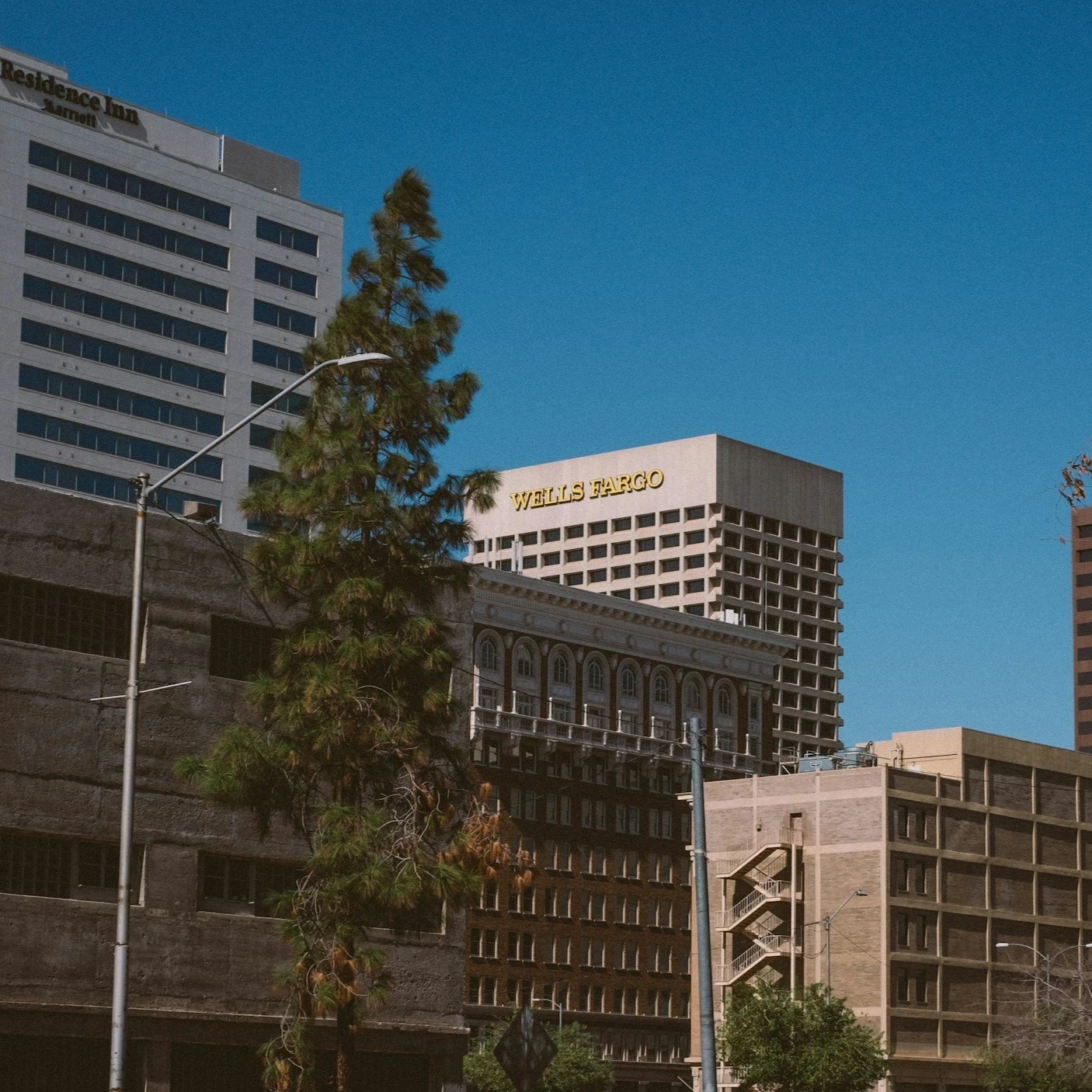
A plumbing system that works well in one type of building may not necessarily be effective in another, and commercial properties present unique challenges that require expert attention and planning.
When it comes to multi-use commercial properties, plumbing needs become a whole new level of complexity. Whether it’s a mixed-use building with apartments above retail space or a commercial property with multiple tenants sharing amenities, the plumbing system must accommodate a range of demands from different users. A plumbing system that works well in one type of building may not necessarily be effective in another, and commercial properties present unique challenges that require expert attention and planning.
Understanding the Complexity of Multi-Use Plumbing
Multi-use commercial properties often require a plumbing system designed to manage a high volume of water use while keeping everything functioning smoothly. Retail businesses, office spaces, restaurants, and residential units each have different plumbing needs, yet they all operate within the same system. The plumbing must be flexible enough to handle fluctuations in water usage, whether it’s a restaurant operating at full capacity or a quiet office with fewer people at certain times.
The layout of the property plays a big role in how the plumbing system is designed. Multi-use properties typically have a complex network of pipes, valves, and fixtures spread across different levels, and that’s where the challenges begin. Plumbing systems in these properties need to be strong enough to prevent leaks, withstand high water pressure, and minimize the risk of cross-contamination between the different plumbing types used across the various spaces.
High Water Usage and Demand Fluctuations
One of the biggest challenges for multi-use commercial properties is the fluctuating water demand. Different spaces within the property will have different peak usage times. For example, a restaurant may see a spike in water use during lunchtime and dinner hours, while office spaces tend to use more water during business hours. Residential units might experience peaks in the mornings and evenings. This constant ebb and flow of water usage means the plumbing system must be equipped to handle these changes without a drop in pressure or a compromised water supply.
If the plumbing system is not designed to accommodate these varying needs, you may find water pressure dropping at the wrong times—like during a busy lunch rush at a café or when multiple tenants are using the bathrooms at once. These fluctuations can cause problems, and having a plumbing system that is both flexible and efficient is crucial for keeping things running smoothly.
Dealing with Multiple Tenant Needs
In a multi-use commercial property, you’re likely dealing with a variety of tenants, each with unique plumbing requirements. Restaurants need grease traps, while office spaces may require commercial-grade toilets. Bathrooms in residential units must be designed for comfort and efficiency, and in mixed-use buildings, you must also consider soundproofing plumbing between floors to minimize noise complaints. With all these demands in play, a plumbing system must be carefully planned and customized to meet the needs of all tenants without disrupting anyone’s use of the building.
From a commercial plumbing standpoint, this means having separate water meters for different units, with clear delineations between residential, retail, and office space plumbing. It also means confirming that all plumbing fixtures meet the codes and regulations for each type of use. Having a professional plumber involved from the start of construction or renovation can help prevent issues down the road and keep plumbing running efficiently across all spaces.
Preventing Cross-Contamination Between Units
A key concern in multi-use buildings is the potential for cross-contamination between water sources, especially when both commercial and residential tenants share the property. A common example is a restaurant’s plumbing, where wastewater might contain grease, oil, and food debris. If these systems are not separated from residential or office plumbing, contamination can occur, leading to health risks, odors, and blockages.
One solution to prevent cross-contamination is to install backflow preventers. These devices are essential in keeping wastewater from flowing back into the clean water supply. They are especially critical in properties with mixed-use spaces where wastewater from one unit could potentially backflow into another. Plumbing systems in multi-use properties need the right valves, filters, and backflow devices to prevent contaminants from entering other parts of the building.
Managing Waste and Drainage Systems
With multiple plumbing systems operating within a single property, proper waste and drainage management becomes paramount. Clogs, blockages, and leaks can be costly and disruptive, especially when they affect multiple tenants simultaneously. Regular maintenance and cleaning of drain lines, grease traps, and sewer lines can help prevent backups that could lead to unsanitary conditions or costly repairs.
Grease traps, in particular, are an essential part of plumbing for any food-related business in a multi-use commercial property. These systems capture grease and oils from kitchen wastewater, preventing them from clogging the sewer lines and causing backups. Without properly functioning grease traps, restaurants can face drainage problems that not only impact their operations but also affect other tenants.
Regular inspection and maintenance are essential for keeping all waste systems functioning as they should. Scheduling professional drain cleaning and periodic pipe inspections helps prevent major plumbing issues that could disrupt daily business operations and tenant comfort.
Upgrading and Retrofitting Existing Systems
For properties with older plumbing systems, upgrades and retrofitting may be necessary to meet the demands of modern multi-use buildings. Older pipes may not be able to withstand the increased pressure, while outdated fixtures may need to be replaced to comply with current codes or improve water efficiency. Retrofitting involves adding or modifying the plumbing system to meet current standards without completely replacing the entire setup. It’s a cost-effective way to bring older properties up to modern plumbing standards while improving energy efficiency.
For property owners and managers, working with a commercial plumber who understands both the technical and regulatory aspects of plumbing in multi-use spaces can provide invaluable insight. They can recommend the best solutions to upgrade and optimize the plumbing system for efficiency, safety, and cost-effectiveness.
Conclusion
Plumbing in multi-use commercial properties is a complex and often underestimated part of building management. It requires careful planning, specialized equipment, and regular maintenance to meet the varied needs of tenants while preventing service disruptions. Whether you’re managing a property with retail spaces, offices, or residential units, understanding the unique demands of commercial plumbing can help keep everything flowing smoothly. By partnering with experienced plumbing professionals, you can avoid costly problems and keep your building’s plumbing in top shape for years to come.
Call Flow Tech Plumbing to get the most reliable commercial plumbing solutions in Peoria, AZ, and surrounding areas. Whether you need plumbing installation, repair, or maintenance, or licensed plumber are just a call away. Our skilled team can address any commercial plumbing issue to minimize downtime and keep the business running smoothly. 24/7 emergency repairs available. Call now!
