
The Most Overlooked Plumbing Issue During Bathroom Renovations
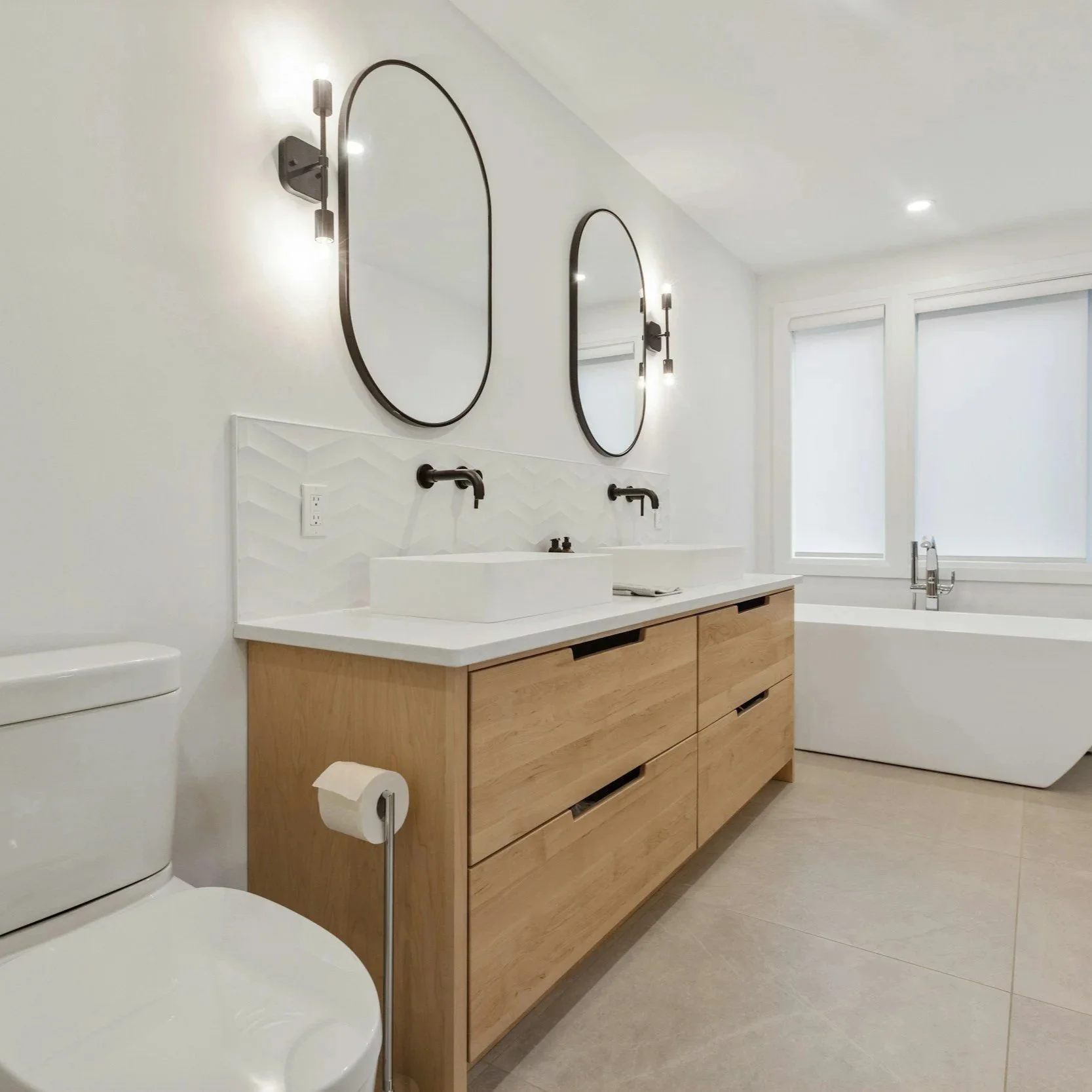
Plumbing issues can easily be sidelined during a renovation, but overlooking them can lead to costly and inconvenient problems down the line.
Bathroom renovations are exciting, full of possibilities to create a space that matches your style and meets your needs. Whether it's upgrading old fixtures, installing a luxurious shower, or adding modern lighting, these projects tend to focus on the aesthetic transformation. However, amidst the excitement of redesigning your dream bathroom, one crucial aspect often gets overlooked: plumbing.
Plumbing issues can easily be sidelined during a renovation, but overlooking them can lead to costly and inconvenient problems down the line. The most common overlooked plumbing issue during bathroom renovations involves ensuring that the existing plumbing system can handle the changes made during the remodel. Upgrading your space without considering the implications for your plumbing could result in leaks, slow drainage, or even bigger system failures. Let's take a closer look at why plumbing should be a top priority during your renovation and how to avoid common mistakes.
Upgrading Fixtures Without Checking Pipe Size
One of the most overlooked aspects of bathroom renovations is the potential mismatch between the new fixtures and the existing plumbing system. When replacing fixtures such as sinks, showers, or toilets, many people focus on design and functionality without considering whether their plumbing pipes are up to the task. Newer fixtures often have different water-flow requirements, and outdated pipes may not be able to handle them.
For example, some modern faucets and showerheads are designed to use less water, which might require different pressure to function efficiently. If your old pipes aren't sized correctly for these new fixtures, you could end up with weak water pressure or uneven water flow. In some cases, the plumbing may need to be upgraded to accommodate new fixtures.
Relocating Fixtures Without Considering Pipe Layout
When you decide to relocate your sink, toilet, or shower during a bathroom renovation, plumbing becomes even more critical. Relocating fixtures might seem straightforward, but it can involve complex plumbing work. Simply moving the shower a few feet to the right or shifting the toilet a few inches to the left requires rerouting pipes, which could lead to issues if the work isn't done properly.
Not properly rerouting pipes during a bathroom renovation can lead to leaks or even a complete system failure. Moreover, improperly rerouted plumbing can affect your water pressure and drainage. Consulting a professional plumber when moving fixtures is crucial to avoid these issues. An experienced plumber will assess the new layout, make sure everything lines up correctly, and modify the system accordingly.
Ignoring Drainage and Ventilation Systems
Plumbing isn't just about water supply—it's also about proper drainage and ventilation. Many homeowners focus on installing fixtures but neglect drainage and ventilation during bathroom renovations. If your plumbing isn't configured to allow water to drain properly, you may notice slow drainage, standing water, or even nasty odors. Similarly, without proper ventilation, the moisture in your bathroom can lead to mold growth or unpleasant smells over time.
Proper drainage and ventilation systems are just as important as the water supply. It's essential to ensure the pipes are properly sloped for proper water flow and that vents are installed to prevent humidity problems. Having a professional plumber evaluate these systems during a renovation will help you avoid costly repairs and uncomfortable bathroom conditions in the future.
Not Updating the Water Heater
During bathroom renovations, many homeowners forget about the water heater. Whether they think it's working fine or assume they won't need to update it, neglecting the water heater can be a costly mistake. If your water heater is old or not properly sized for your newly renovated space, it may not provide enough hot water for your upgraded fixtures.
Consider how your bathroom renovation may affect hot-water demand. Installing a large soaker tub or a more powerful shower may put extra pressure on your water heater. In this case, you may need to upgrade to a larger tank or even switch to a tankless water heater to meet the demand. A professional plumber can assess your current water heater's capacity and recommend upgrades if necessary, helping prevent future hot-water issues.
Skipping Necessary Inspections
It's easy to get caught up in the excitement of choosing new tiles or picking out vanity mirrors, but ignoring a thorough plumbing inspection can come back to haunt you. Even if you aren't making drastic changes to the plumbing system, renovations can uncover unforeseen problems that only become evident once the project is underway. For example, old pipes could be exposed during construction, revealing hidden leaks or deterioration.
Scheduling a plumbing inspection before and after your renovation can prevent future disasters. A professional plumber will check for any pre-existing issues, such as leaks, corrosion, or pipe damage, and address them before they turn into costly problems down the road. They'll also confirm that everything is up to code, which is important for your home's safety and future resale value.
Hiring the Right Professional
Some DIY projects may be manageable during a bathroom renovation, but plumbing is one area where it's better to leave it to the experts. Many plumbing issues, such as rerouting pipes, installing drainage systems, or working with water heaters, require specialized knowledge and skills. Hiring a licensed plumber will not only save you time but also provide peace of mind that the job is done correctly and up to code.
A professional plumber can also offer advice on the best fixtures to install for your plumbing system and make recommendations that will maximize efficiency. While it might be tempting to take on plumbing work yourself to save money, cutting corners can end up costing more in the long run. Professional help is an investment in the future functionality and safety of your bathroom.
Conclusion
Plumbing is often an afterthought during bathroom renovations, but it's an essential part of creating a functional, long-lasting space. Whether upgrading fixtures, moving sinks, or rerouting pipes, neglecting plumbing considerations can lead to problems with water flow, drainage, and even potential system failures. Proper planning, inspections, and expert plumbing advice can guarantee that your bathroom renovation not only looks great but also functions efficiently for years to come. Taking the time to address plumbing needs upfront will save you from costly repairs and headaches down the road, making your bathroom a space you can truly enjoy.
Get comprehensive bathroom plumbing, garbage disposal installation and repair, bathtub/shower installation and repair, pump installation and repair, and gas line installation and repair in Peoria, AZ, from Flow Tech Plumbing. We are fully licensed and insured and emphasize on quality work. Our local plumbers are well-trained and equipped with the latest tools to handle a wide range of plumbing needs Valley wide. Call now for free on-site estimates.
