
What a Water Heater Anode Rod Does (and Why It Saves Your Tank)
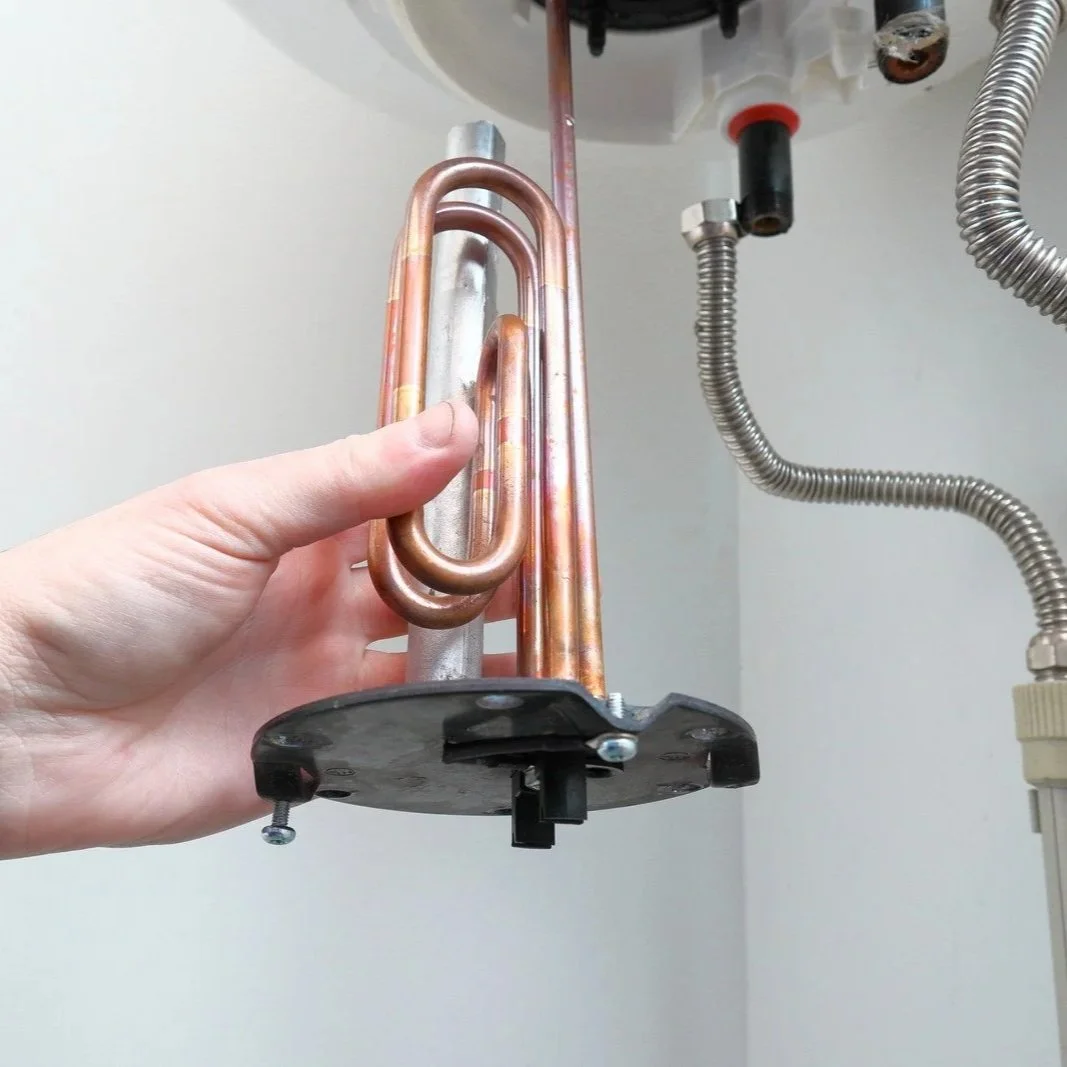
Quick Answer: The anode rod is a sacrificial metal rod inside your water heater that corrodes on purpose so the steel tank doesn't. Through a process called electrolysis, the rod attracts the corrosive activity in the water to itself, protecting the tank lining. Over time the rod is consumed down to a thin wire or disappears entirely — and once it's gone, the tank starts to rust from the inside. Checking the rod every few years and replacing it when it's mostly used up is one of the cheapest, most effective ways to extend the life of a water heater, especially in hard-water areas.
Most people have never heard of the part inside their water heater that's doing the most to keep it alive. The anode rod quietly corrodes itself away year after year, so the steel tank around it survives — and understanding what it does explains why a small piece of metal decides how long your heater lasts.
What an Anode Rod Is
An anode rod is a long metal rod, usually made of magnesium, aluminum, or zinc-aluminum alloy, that screws into the top of a tank water heater and hangs down inside it. It's often called a "sacrificial" anode, and that name is the whole idea: it's designed to be sacrificed so the tank doesn't have to be.
The inside of a water heater tank is steel with a thin glass lining. That lining protects the steel from the water, but it's never perfect — there are always small gaps, seams, and imperfections where bare steel meets water. Without protection, those spots would rust. The anode rod exists to make sure they don't.
How It Protects the Tank
The protection works through basic electrochemistry. When two different metals sit in water, one corrodes faster than the other — and the more reactive metal corrodes first, protecting the less reactive one. Magnesium and aluminum are more reactive than the tank steel, so the anode rod becomes the target. The corrosive activity in the water attacks the rod instead of the tank wall.
As long as the rod has material left to give, the steel tank stays protected. The rod slowly dissolves, sacrificing itself bit by bit. This is why a water heater can sit full of water for a decade without rusting through — the rod is taking the damage the whole time.
What Happens When the Rod Is Gone
A sacrificial rod can only sacrifice so much. Eventually, it corrodes down to a thin steel core wire or dissolves away almost entirely. The moment there is not enough rod left to protect the tank, the corrosion has nowhere to go but the steel itself. From that point, the tank begins rusting from the inside out — and a rusted tank leads to discolored water, then eventually a leak that ends the heater's life.
This is the hidden reason so many water heaters fail right around the same age. The factory rod gets used up in roughly the same window, and once it's gone, the tank's clock starts ticking fast. A heater whose rod is replaced before it's fully consumed never reaches that point.
| Anode rod state | What's happening | What to do |
|---|---|---|
| Full/lightly worn | Tank well protected | Leave it; check in a few years |
| Heavily corroded | Protection running low | Plan to replace the rod soon |
| Down to bare wire | Little protection left | Replace the rod now |
| Gone entirely | Tank rusting from inside | Replace rod; assess tank |
Why Water Quality Speeds It Up
In hard water areas, the rod wears out faster because higher dissolved mineral content drives the corrosion it experiences. That's both a warning and an opportunity: heaters in hard water need their rods checked sooner, but staying on top of the rod is also one of the most effective ways to fight back against the damage hard water can cause to a tank.
A water softener can slow the process, but it can also change the chemistry in ways that affect which type of rod works best. That's a detail worth discussing with a plumber who can match the rod to your water. Sediment plays a part here as well. As mineral debris collects at the bottom of the tank, it can bury the lower end of the rod and change how evenly it wears, so a rod in a neglected, sediment-heavy tank may protect less effectively even before it's fully spent. Keeping the tank flushed helps the rod do its job for its full intended life rather than being smothered early.
When you have your water heater flushed, ask to have the anode rod checked at the same time. Both jobs involve the same access, so combining them is efficient — and the rod is easy to overlook because it's hidden inside the top of the tank.
A Small Part That Pays Off
Checking and replacing the anode rod is one of the highest-value water heater maintenance tasks, because a rod is a fraction of the cost and hassle of a new tank. Replacing a consumed rod before the tank starts to rust can add years to the heater's life. The catch is that the rod is out of sight, so it gets ignored until the tank is already corroding. Building a rod check into your routine — every few years, or sooner with hard water — keeps the protection working and the tank intact.
Frequently Asked Questions
It protects the steel tank from rust by corroding in its place. Made of a metal more reactive than steel, the rod attracts the water's corrosive activity to itself through electrolysis, so the tank lining stays intact. It's a sacrificial part — it wears away on purpose to save the tank.
It varies with water quality and usage, but checking it every few years is a sound habit, and sooner in hard-water areas. The right time to replace it is when it's mostly consumed — down to a thin core or heavily corroded — but before it's gone entirely and the tank starts to rust.
Eventually, the rod is fully consumed, and with nothing left to protect the tank, the steel begins rusting from the inside. That leads to discolored water and, in time, a leak that ends the heater's life. Many heaters fail for exactly this reason — the rod ran out, and no one replaced it.
Yes. The higher mineral content in hard water drives more corrosion of the rod, so it's consumed more quickly. Heaters in hard-water regions benefit from earlier and more frequent rod checks to keep the tank protected.
It can, meaningfully. Because the rod is what prevents the tank from rusting, replacing it before it's used up keeps that protection going and can add years to the heater’s life. It's one of the most cost-effective maintenance steps for a tank water heater.
Some homeowners do it, but it requires draining part of the tank, breaking loose a tightly torqued fitting, and choosing the right replacement rod for the water and clearance. Many people have it done during a flush or service visit, when a plumber already has the tank open and can match the correct rod.
The Part Worth Knowing About
The anode rod is the unsung hero inside your water heater — a piece of metal designed to corrode away so your tank doesn't. When it's gone, the tank's days are numbered, which is why checking and replacing it is one of the smartest, lowest-effort ways to make a heater last. It's hidden, it's easy to forget, and it quietly decides how long your hot water keeps flowing.
Want your anode rod checked before the tank starts to rust? — A plumber can inspect the rod during a flush and replace it if it's spent, adding years to your heater. Flow Tech Plumbing serves Peoria and the Valley. ROC #347159. Call (623) 267-2703.
