
What Happens When Garbage Disposals Begin to Back Up
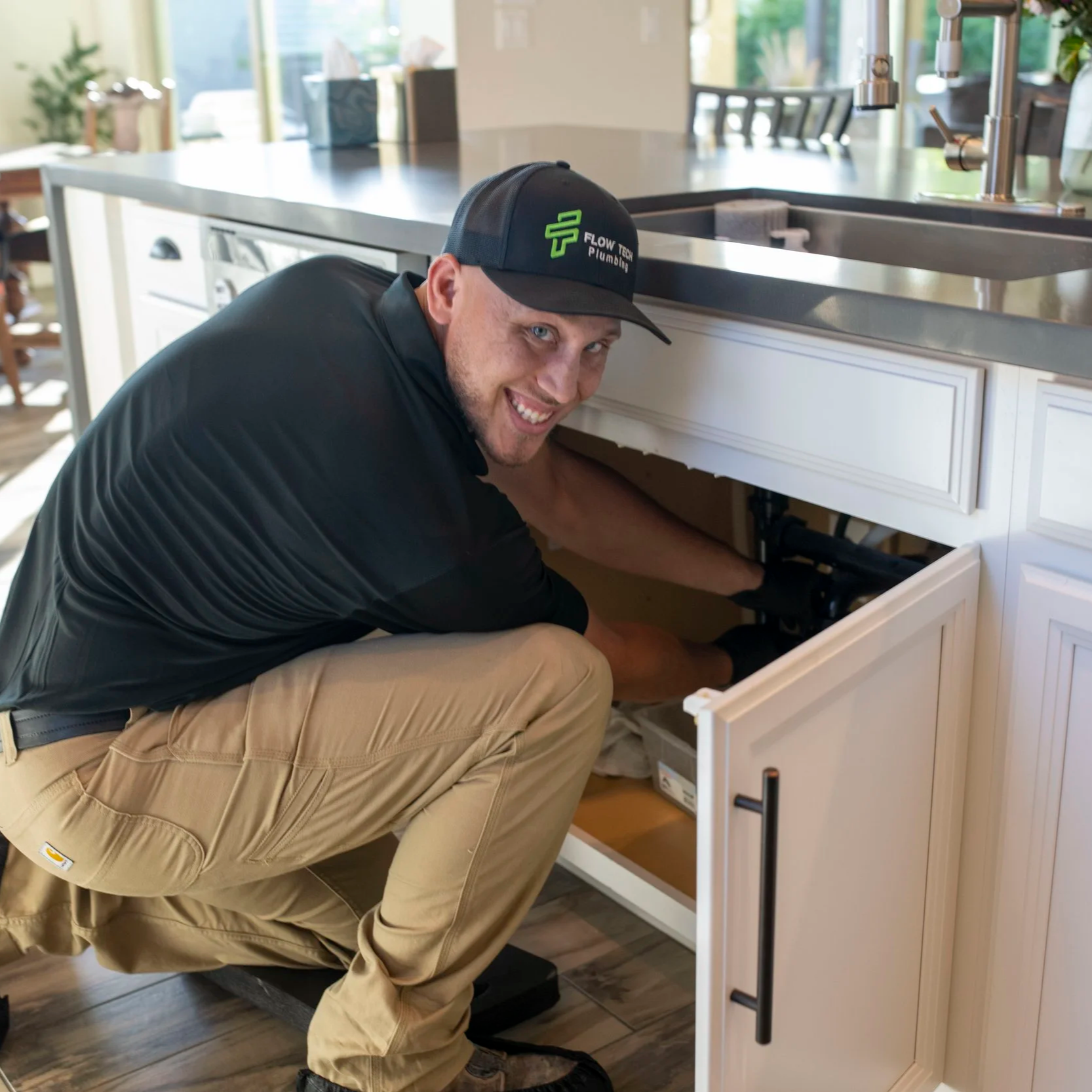
A backed-up disposal can stem from several causes, but they all have one thing in common: something inside the system isn’t moving the way it should.
A garbage disposal usually hums along without fuss—chewing through scraps, clearing out leftovers, and helping the kitchen sink stay tidy. Until one day, it doesn’t. The hum turns into a gurgle, water starts to rise instead of drain, and before long, the sink becomes a shallow swamp of mystery stew. When a garbage disposal starts backing up, it doesn’t just stop doing its job—it turns into a plumbing problem that affects the entire kitchen flow.
A backed-up disposal can stem from several causes, but they all have one thing in common: something inside the system isn’t moving the way it should. Whether it’s food build-up, mechanical failure, or a deeper drain line issue, the result is a messy inconvenience that needs more than a plunger and a hopeful attitude.
Clogs That Don’t Clear Themselves
Garbage disposals are powerful, but they have limits. When food waste goes down too quickly, too often, or in the wrong form, it builds up inside the chamber and drainpipe. Fibrous scraps like celery, potato peels, or corn husks twist and tangle around the impellers. Grease solidifies and clings to the inside of the drain like glue. Pasta and rice expand in water and form a mushy dam that no blade wants to touch.
Once the clog forms, water stops flowing. It may back up into the other side of the sink, or it may sit stubbornly above the disposal opening, refusing to budge. If left too long, the backup can spill over onto the countertop or seep underneath the sink—turning a simple inconvenience into a cleanup job.
Odors That Don’t Belong In a Kitchen
A backed-up garbage disposal has a way of announcing itself, even with the cabinet doors closed. Trapped food breaks down quickly in a warm, damp space. The result is an odor that blends the worst parts of a compost pile and a dirty sponge—and no scented candle can compete with that.
The smell can linger long after the sink is cleared. Food particles stuck in the disposal’s crevices or hidden in the P-trap keep releasing foul air, reminding everyone that the plumbing isn’t quite right. Deep cleaning, disassembly, or full repair may be needed to reset the system and bring freshness back into the kitchen.
Dishwasher Drama That Follows Close Behind
In many kitchens, the garbage disposal and dishwasher share a drainage path. When the disposal backs up, that shared line becomes a source of trouble for both. Dirty dishwasher water might drain into the sink instead of the sewer. Worse, it might bring food particles back up into the dishwasher, leaving clean dishes coated in residue and forcing repeat cycles.
The backup can also trigger leaks where the hose connects or cause the dishwasher pump to overwork, shortening its lifespan. Repairing the garbage disposal often restores normal function to the dishwasher, keeping both systems happy and out of each other’s way.
Overworked Motors That Start To Struggle
When a disposal faces resistance—whether from a jammed impeller or an overloaded grinding chamber—it strains to keep up. The motor may overheat, shut off mid-cycle, or stop working altogether. In some cases, the built-in reset button might bring it back to life. In others, the motor suffers permanent damage and must be replaced.
Repeated clogs or improper use push the disposal beyond its design limits. A professional garbage disposal repair can reset connections, clear jams, and restore proper operation. If the unit is beyond saving, a new installation offers better performance and improved energy efficiency.
Leaks That Show Up in All the Wrong Places
Water from a backed-up disposal doesn’t always stay in the sink. It finds its way down the sides of the unit, around loose seals, or through damaged gaskets. The cabinet beneath becomes a surprise reservoir of moisture that damages wood, ruins supplies, and encourages mold growth.
Leaks might appear slowly or all at once. Either way, they’re often overlooked until the smell or the soggy base catches attention. A careful inspection during a repair visit helps identify where the leak starts—and stops it before it leads to permanent damage.
Drain Lines That Need More Than a Quick Fix
Sometimes, the issue runs deeper than the disposal itself. Old or undersized drain lines can’t handle the volume and texture of the waste being pushed through. When clogs form farther down the line, the disposal backs up through no fault of its own.
Professional plumbers check the entire drainage path during repair, not just the disposal. If the pipes are the problem, cleaning or replacing them restores flow and prevents future backups. Pairing a high-functioning disposal with a healthy drain system keeps things running cleanly from sink to sewer.
Smart Choices That Start With Installation
A garbage disposal is only as good as the way it’s installed. Poor connections, loose fittings, and improper alignment all increase the risk of leaks, noise, and failure. When a unit isn’t matched to the household’s needs—either too small or underpowered—it wears down faster and backs up more often.
Garbage disposal installation done right includes selecting the correct unit, securing it to the mounting assembly, aligning the plumbing, and testing for leaks and vibration. A clean install sets the system up for a quiet, reliable run—without the drama of recurring clogs or motor burnout.
Better Grinding, Fewer Problems
Modern disposals come equipped with features that help prevent backups. Multi-stage grinding, anti-jam sensors, and quieter motors all contribute to smoother operation. When paired with proper use—avoiding bones, grease, and starchy foods—the system becomes one of the most reliable tools in the kitchen.
When a backup does happen, timely repair and maintenance restore balance quickly. With the right approach to garbage disposal installation and repair, the kitchen stays clean, the pipes stay clear, and the sink remains a no-drama zone. Just the way it should be.
Get comprehensive bathroom plumbing, garbage disposal installation and repair, bathtub/shower installation and repair, pump installation and repair, and gas line installation and repair in Peoria, AZ, from Flow Tech Plumbing. We are fully licensed and insured and emphasize on quality work. Our local plumbers are well-trained and equipped with the latest tools to handle a wide range of plumbing needs Valley wide. Call now for free on-site estimates.