
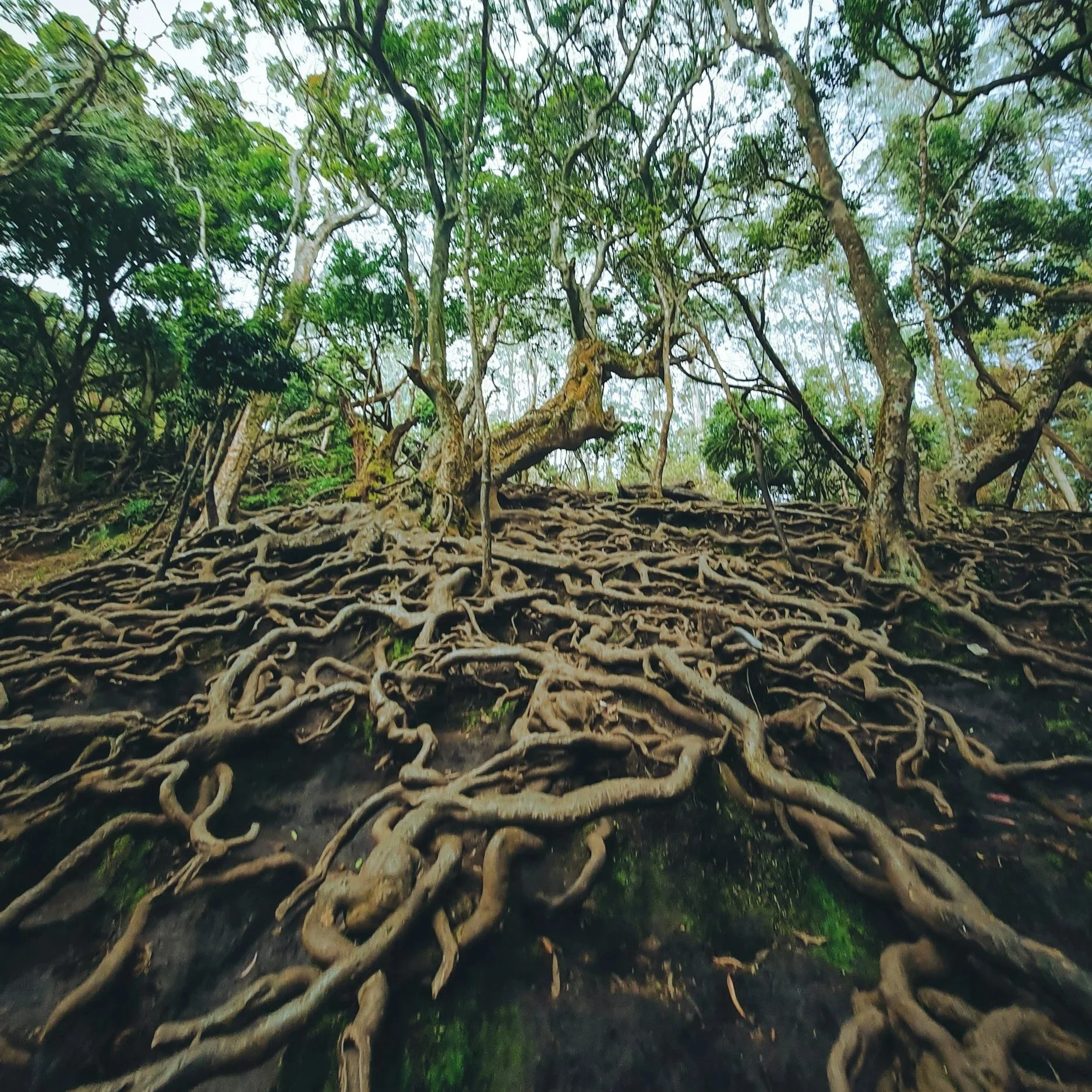
Root intrusion happens when tree roots find their way into sewer lines, typically through cracks or weak spots.
When you think about your plumbing system, trees probably don’t come to mind. But for homeowners with older sewer lines or a lot of landscaping, tree roots can be a major threat to the health of their plumbing. Root intrusion happens when tree roots find their way into sewer lines, typically through cracks or weak spots. While this might seem like an isolated issue, over time, it can result in major plumbing problems that affect your entire home.
The Sneaky Nature of Root Intrusion
Roots may seem harmless, but in reality, they are one of the most common culprits behind plumbing problems. Trees naturally seek out water sources, and unfortunately, your sewer lines are a top target. Even a tiny crack inside a pipe can cause roots to invade. Once inside, they begin to grow, expand, and cause havoc on your sewer system. Root intrusion starts small but can snowball into major issues if left unaddressed.
One of the biggest challenges with root intrusion is that it’s often not visible at first. You may not notice a problem until clogs become frequent or sewage backs up into your home. By the time the damage becomes apparent, the roots may have already caused extensive blockages and pipe damage. Early detection and proper maintenance are key to stopping root intrusion before it causes severe damage.
How Root Intrusion Affects Sewer Lines
Once tree roots enter the sewer pipes, they don’t just sit there quietly. They continue to grow, wrapping around and infiltrating the pipes, stopping the flow of waste and water. Over time, these roots can completely block the pipe, causing backups and poor drainage throughout your home. In severe cases, the pressure from the growing roots can result in pipes cracking or collapsing altogether.
The longer the root intrusion goes undetected, the more damage it can cause. As roots expand, they create a buildup of sludge, grease, and other waste items that can clog up the pipes even further. When this happens, the only way to resolve the issue is through professional sewer repairs or, in extreme cases, replacing the damaged pipes.
Signs That Root Intrusion May Be Happening
Root intrusion doesn’t always announce itself with a loud bang. In fact, it often starts subtly, with small symptoms that homeowners may brush off as minor annoyances. However, it’s important to keep an eye out for recurring signs that your sewer lines may be in trouble due to root intrusion. Slow drains are a classic early warning sign. If water is draining more slowly than usual or standing in sinks, tubs, or toilets, the pipes may be partially blocked by tree roots.
Another sign to keep an eye out for is gurgling sounds emerging from your drains. If air is trapped in the pipes because of a blockage, it can cause a gurgling noise whenever you flush a toilet or run water. Frequent backups or foul odors in your drains are also indicators that something might be off with your sewer system. These symptoms point to a growing problem inside your pipes, potentially caused by root intrusion.
The Dangers of Ignoring Root Intrusion
The dangers of ignoring root intrusion can go beyond inconvenience. As tree roots continue to grow inside your sewer lines, they can cause irreparable damage. The pressure of the roots pushing against the pipe can cause cracks, and eventually, those cracks can turn into leaks or full-blown ruptures. If left unchecked, a severely damaged sewer line can result in flooding, sewage backups, or even health hazards from raw sewage leaking into your yard or home.
Repairing the damage caused by root intrusion can be expensive and disruptive. In some cases, tree root damage can even lead to the need for a full sewer line replacement. Replacing the entire line is a costly and time-consuming process, which is why preventing root intrusion in the first place is crucial.
What to Do About Root Intrusion
The best way to handle root intrusion is to take preventative action. Regular sewer line inspections are a great place to start. Using advanced techniques like video camera inspections, plumbers can see deep inside your pipes and identify any potential issues, including root growth. Early detection allows for prompt action to clear out any roots and prevent further damage.
Once root intrusion is detected, there are several methods to resolve the issue. One of the most effective is hydro jetting. Hydro jetting uses pressurized water to clear roots, debris, and blockages from your sewer lines. It removes the roots and cleans the pipes, restoring proper flow and preventing further buildup. This non-invasive method is ideal for clearing out root intrusion and other stubborn blockages without the need for expensive digging or pipe replacement.
For more severe cases, mechanical root cutting might be necessary. This technique involves using specialized equipment to physically cut through the roots that have infiltrated the pipes. While it’s effective, it’s often a temporary solution. Since the roots may continue to grow back over time, regular maintenance and root clearing may be required.
Avoiding Future Root Intrusion
Once the roots are removed, the last thing you want is for them to come back. In some cases, it might be worth considering trenchless pipe repair or pipe relining. This process involves lining your existing pipes with a durable, flexible material that prevents future root growth. It’s an effective solution for homeowners who want to protect their sewer lines from further root intrusion without having to dig up their entire yard.
In addition to plumbing fixes, be mindful of the trees and plants around your sewer lines. Avoid planting trees with aggressive root systems near your pipes, and make sure to trim back any overgrown branches. When planting new vegetation, be aware of where your sewer lines run and choose plants that won’t interfere with your plumbing.
Conclusion: Don’t Let Roots Ruin Your Plumbing
Root intrusion is a sneaky but serious plumbing issue that can wreak havoc on your sewer lines if left unchecked. Whether it’s causing slow drains, foul odors, or complete blockages, tree roots are capable of serious damage to your plumbing system. By addressing the issue early and using techniques like hydro jetting or sewer line inspections, you can stop root intrusion in its tracks and keep your plumbing functioning properly. Taking the right steps now can save you from costly repairs down the road and keep your plumbing system safe and healthy for years to come. Don’t let tree roots destroy your plumbing—act fast and protect your home from further damage.
Flow Tech Plumbing is a leading drains & sewer services provider in Peoria, AZ, and surrounding areas. We specialize in providing sewer repairs, drain cleaning, and hydro jetting services to property owners in Peoria, AZ. We charge no after-hour or fuel fees. Our licensed technicians will keep your sewer system functioning properly year-round. Reach out to us to learn more.
