
How Faulty Faucet Seals Lead to Bigger Problems
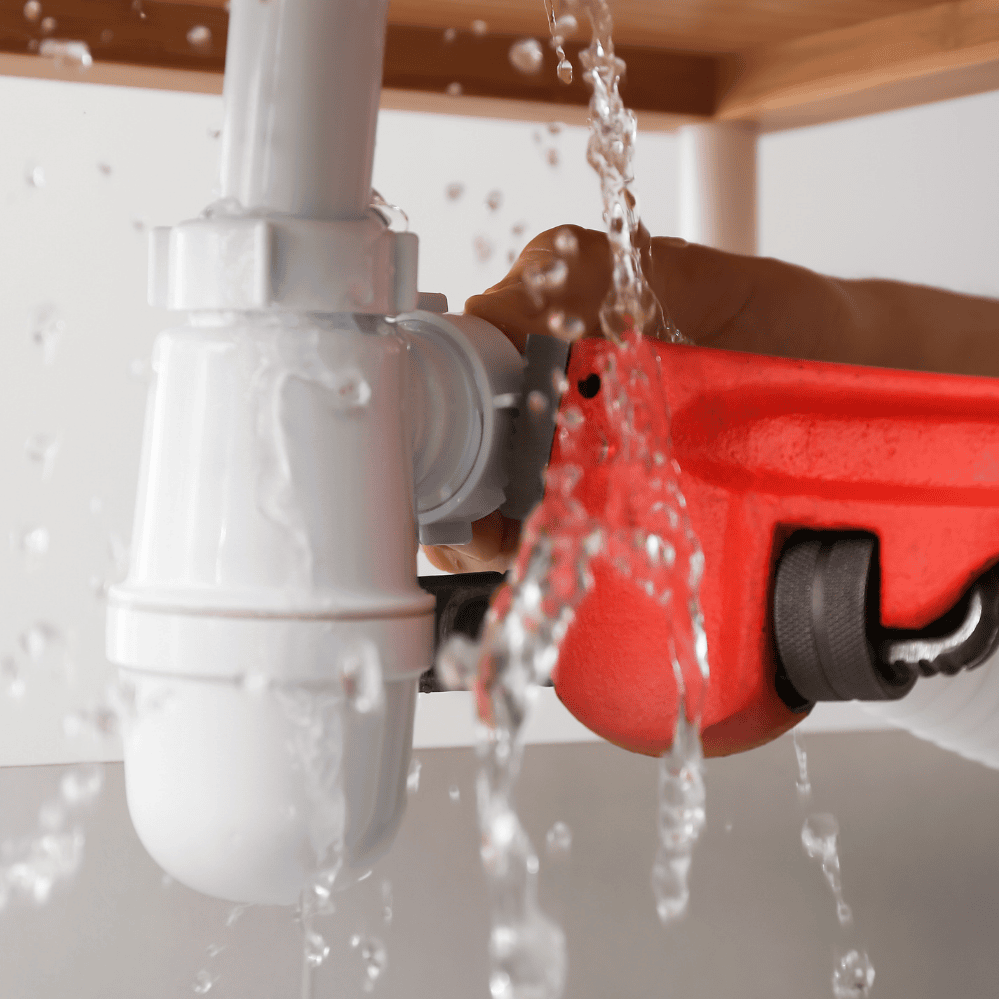
Over time, faulty faucet seals can cause water waste, property damage, and costly repairs, turning a small nuisance into a full-blown plumbing issue.
A dripping faucet might seem harmless—just a slow, steady tick in the background. But behind that tiny drip is a worn-out seal quietly creating headaches that reach far beyond the sink. Over time, faulty faucet seals can cause water waste, property damage, and costly repairs, turning a small nuisance into a full-blown plumbing issue.
Faucet installation and repair isn't just about fixing leaks—it’s about addressing the root cause before things spiral out of control. When seals start to give out, it’s the plumbing equivalent of a loose thread. Tug on it long enough, and the whole system starts to unravel.
The Seal’s Job Behind The Scenes
Faucet seals sit quietly between moving parts, doing the vital job of keeping water where it belongs. Whether it's a cartridge, ball, disc, or compression-style faucet, every design relies on rubber or silicone seals to form a watertight barrier.
These little gaskets take a beating. They flex every time the handle moves. They withstand water pressure all day, every day. And they’re exposed to mineral buildup, temperature changes, and cleaning products that slowly break them down. When they wear out, water begins to seep through, usually starting with that classic slow drip.
Water Waste Adds Up Fast
A single dripping faucet can waste hundreds of gallons of water per year. It doesn’t make much noise, but it definitely makes a dent in the utility bill. Multiply that across multiple faucets or let it run unchecked for months, and the water loss becomes more than just an annoyance—it becomes a financial and environmental problem.
Worn-out seals allow water to pass even when the tap is technically off. That not only wastes treated water but also makes the entire system work harder. In some cases, the water heater may be affected if the leak pulls warm water into the mix, creating even more energy waste.
Leaks Don’t Always Stay In One Spot
When a faucet seal fails, the drip doesn’t always land neatly in the sink. Sometimes, water escapes at the base of the fixture, running down into the vanity or beneath the countertop. Hidden leaks like these soak into wood, laminate, and drywall, leading to warping, mold, or even structural damage.
That slow leak turns into an ongoing moisture problem that hides behind doors and drawers. Cabinets feel soft. Finishes bubble. Items stored below the sink start to smell musty. By the time these signs appear, water has been at work for weeks—if not longer.
Mineral Buildup Speeds Up The Damage
Hard water puts faucet seals on the fast track to failure. Minerals like calcium and magnesium build up on surfaces and around moving parts, creating friction and pressure that wear seals down faster than usual. White crust around the base of a faucet or near the spout often signals hard water damage.
Once the seals wear thin or lose flexibility, the leak starts. And mineral buildup continues to creep into other components, affecting cartridges, aerators, and washers. The longer the leak persists, the more parts need cleaning—or replacing.
Poor Water Pressure And Inconsistent Flow
A faulty seal can throw off more than just a clean shutoff. It can also affect how the faucet handles water pressure. Internal leaks change how water moves through the fixture, causing strange spurts, weak flow, or sputtering from the spout.
Those inconsistencies don’t always point to clogged pipes. They often signal a breakdown in the internal faucet components, where seals are no longer directing water the way they should. Inconsistent performance becomes a daily frustration and an early warning sign of internal wear.
Faucets Aren’t Meant To Be Wrestled
When people notice a leak, their first instinct is often to crank the handle tighter. That pressure might stop the drip temporarily, but it also strains the internal parts. Seals compress unevenly, threads wear out, and the faucet starts resisting every twist and turn.
What started as a small leak becomes a mechanical breakdown. Now the fixture needs more than a seal—it needs a rebuild or a full replacement. Professional faucet repair handles the issue without stressing the system, keeping the fix simple and the faucet smooth.
Proactive Repairs Save The Day
Addressing a worn seal early prevents the larger issues that follow. It saves water, protects cabinetry, and keeps the rest of the fixture from suffering under pressure. Sometimes a new O-ring or gasket is all it takes to restore full function and stop the leak.
Professional faucet installation and repair services go beyond surface-level fixes. They inspect the fixture, replace worn parts, and test the faucet’s full operation. That kind of attention keeps small problems from spreading and avoids surprise repairs down the road.
A Leak-Free Fixture Just Works Better
Faucets are part of the rhythm of daily life—wash, rinse, repeat. When they leak or sputter, they interrupt that flow. Fixing faulty seals doesn’t just stop the drip—it restores that everyday ease that makes the home feel right.
Upgraded seals, tighter fittings, and clean flow bring back the simple pleasure of water where and when it's needed. No guessing, no mess, no sound of a drip echoing in the night.
Fixing leaks while they’re still small means one less thing to worry about, and a lot less water heading down the drain for no good reason. With professional help, those silent saboteurs stay sealed up and out of the way—exactly where they belong.
Flow Tech Plumbing offers residential and commercial plumbing installation, maintenance, and repair services in the Peoria, AZ, area. From plumbing leak detection and repair, pipe installation and replacement, and faucet installation and repair, to toilet installation and repair and kitchen plumbing, our skilled plumber can handle it all efficiently. We also offer 24/7 emergency repairs. Schedule your plumbing service now.
